Blog

Guest Essays

Using type, language, and design as a takeoff point, our Guest Essays explore themes across culture, technology, and visual practice. Topics range from pop-cultural moments to broader reflections on design, its economies, and independent ways of working.
Interested in contributing? Please get in touch!

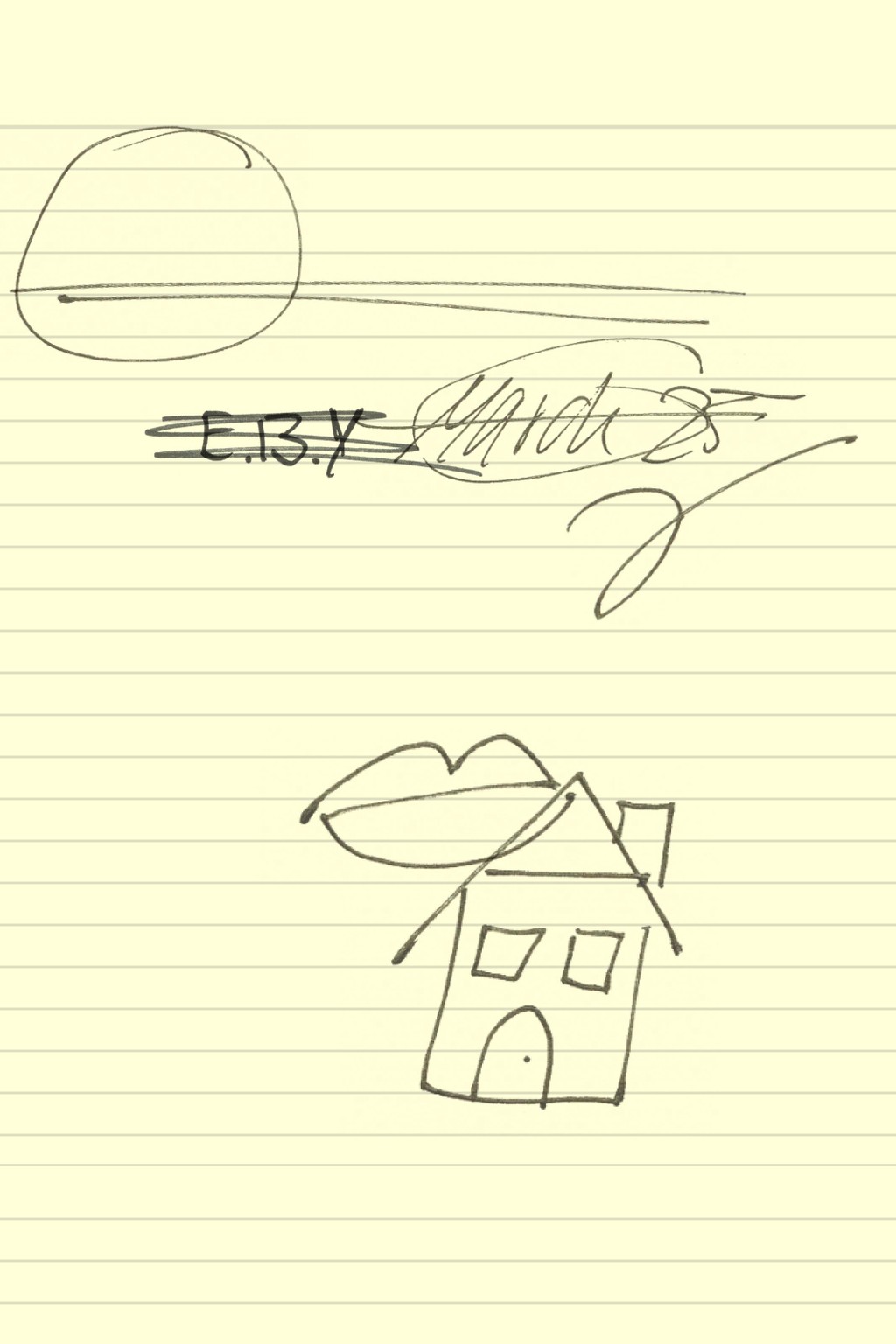
Silvio Lorusso: Serif Populism, Hyperpolitics and the Diminishing Returns of Graphic Design Culture

Cracker Barrel is an American chain of restaurants specializing in country food – something that I, an Italian living in Portugal, had no idea about. This was until the news spread worldwide that the chain’s stock had plummeted because of a new logo. In a regrettable rebranding, Uncle Herschel (the chain’s own Colonel Sanders) and the eponymous cracker barrel were dropped, giving way to a flat, rather dull, generically modern emblem. As a result, no one was happy, except perhaps those who believe in “the power of design” – the power to make you instantly lose $100 million in market value.

Read more
Dinamo Guest Takeover Teaser Portrait Lorusso

Silvio Lorusso: Serif Populism, Hyperpolitics and the Diminishing Returns of Graphic Design Culture

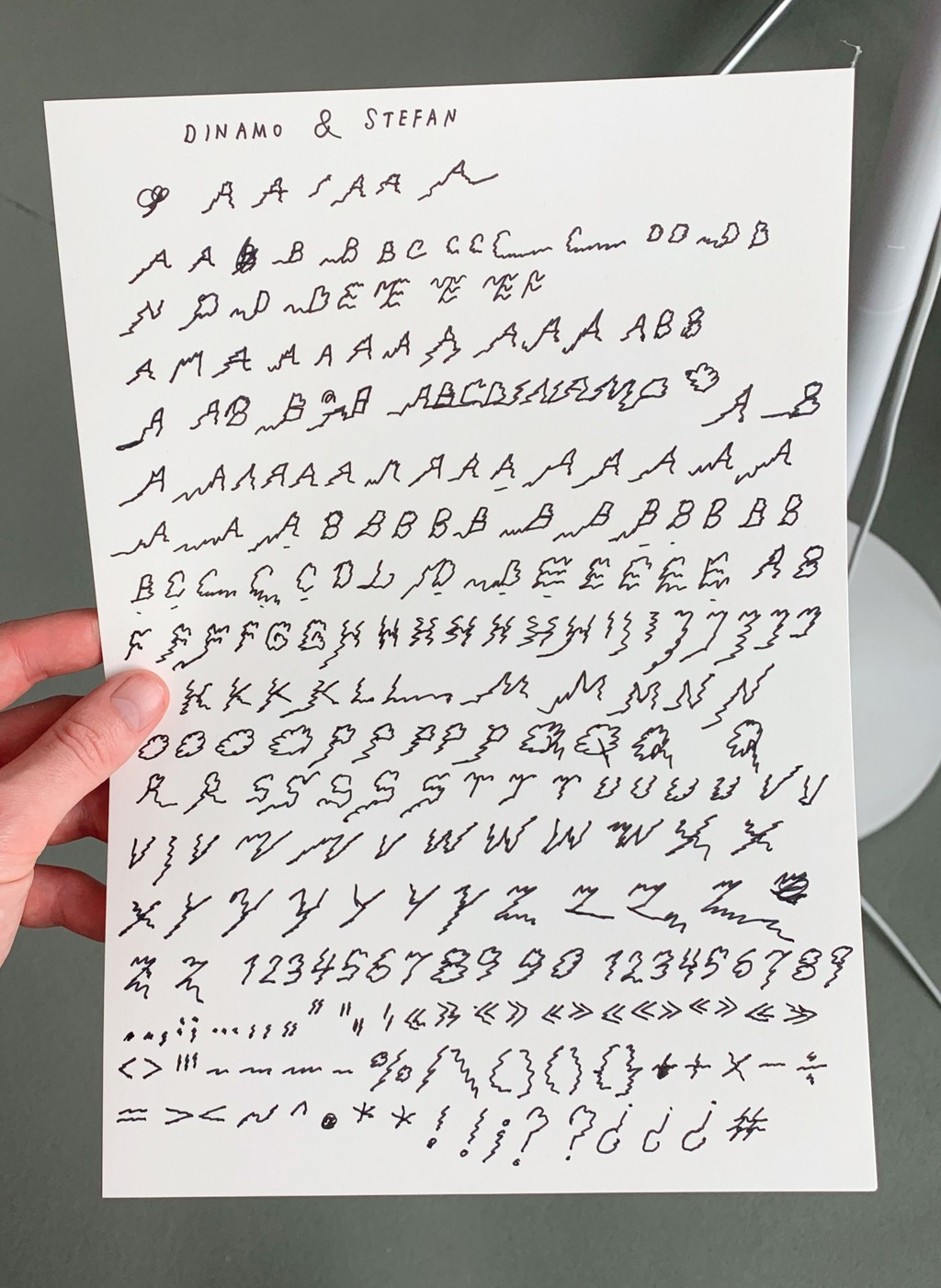
Michelle Santiago Cortés: Font Hacks

You know you’re getting closer to the warm, wet *depths of the internet* when the signs begin to wobble. When Instagram starts displaying text that looks like it’s been italicized, turned upside down or even written backwards. When a platform’s clean, proprietary font starts looking slanted, with curled edges; or thicker, with a stalkier base. If you’re drifting towards its peripheries, the diacritics will be the first signs. There, you’ll find the non-Latin alphabets, where Cyrillic, Japanese or Polish come into greater prominence, one character at a time. Meme pages, fan accounts, smut posters, and aesthetic bloggers are some of the primary agents of this kind of typographic chaos. They carry the torch of a once-ubiquitous internet trend – *the use of font hacks* – by continuing to make their profiles cuter, sparklier, spookier or otherwise more customized despite (and increasingly, in pursuit of) the wobbly results.

Read more
Dinamo Guest Takeover Teaser Portrait Cortes

Michelle Santiago Cortés: Font Hacks

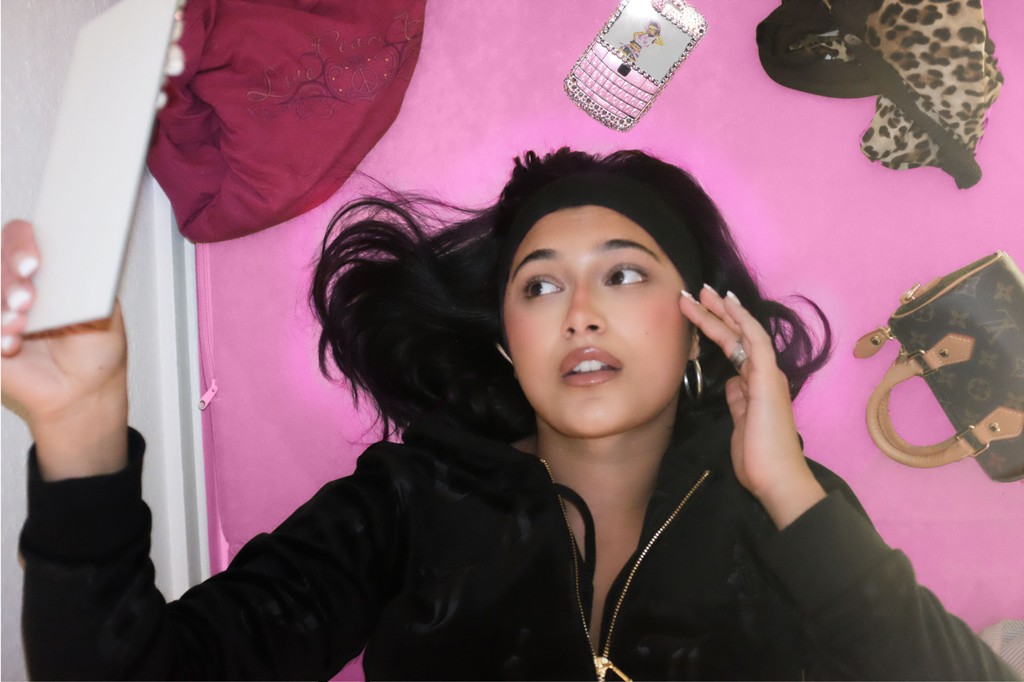
Elise By Olsen: One Man’s Trash

Once, as a young aspiring fashionista, I went to Paris Fashion Week for the first time. I was 15 and accompanied by my mother. Before leaving I had printed out the official calendar from Paris Fashion Week’s glamorous website, and ticked off all the shows I wanted to attend with a red ballpoint pen. The most coveted show was, for me, back then, the Dior one. I believe it was the first collection by the then newly-appointed creative director Maria Grazia Chiuri, post-Raf Simons. I stepped up to the show’s designated venue, little me facing a colossal mirror-clad structure, by, I later learned, Bureau Betak.

Read more
Dinamo Guest Takeover Teaser Portrait Olsen

Elise By Olsen: One Man’s Trash

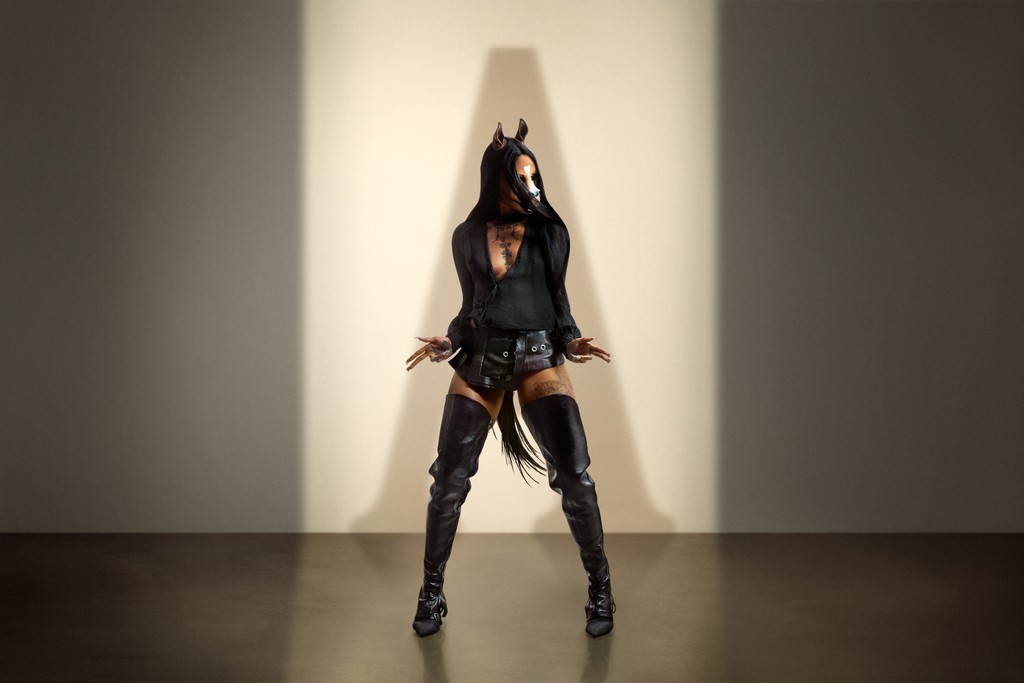
Whitney Mallett: When Kylie Minogue Was a Font

Kylie Minogue announces “I am a typeface” in a 1997 song she made with producer Towa Tei. As this lyric suggests, the techno-pop track in question, “GBI (German Bold Italic)”, is delivered from the perspective of a font. Minogue’s breathy, almost robotic vocals bring the absurdist premise to life, reciting declarations of design compatibility over a minimalist reverb-drenched beat. *“You will like my sense of style”* is her most oft-repeated refrain.

German Bold Italic (three words Minogue intones throughout the track with staccato punctuation) is a real typeface, which was created to accompany the musical release.

Read more
Dinamo Guest Takeover Teaser Portrait Mallett

Whitney Mallett: When Kylie Minogue Was a Font

Erik Carter: The Future of Type

If you were born with the gene that allows you to draw lettershapes, I salute you.

I am not a type designer. I find the work difficult, repetitive and tedious, and the required skills above my pay grade. I am, however, someone that uses typefaces for a living. As a graphic designer, I’m often tasked with choosing a font for a book cover, layout, or animation. And as a person who doesn’t draw the typefaces themselves, I act more as a typographic art director, picking and choosing the best font for the format, taste with appropriateness, balancing legibility with form. I am also someone who uses the terms font and typeface interchangeably, because we are now in the year 2024, and the distinction holds far less meaning than it did in the days of metal type.

Read more
Dinamo Guest Takeover Teaser Portrait Carter

Erik Carter: The Future of Type

Claire Marie Healy: The Coquette Font

Think of Copperplate Script typefaces as instant formula for girlhood: powdered milk for hyper-feminization; refined like sugar. Florid, laboured, swirly, the style’s repetition across different formats — film title sequences, promotional posters, diamantéd t-shirts made in China — iterate the kind of watertight meaning in culture that feels long set-in-place. But while the association with a certain ultra-femininity is well-established, this wasn’t necessarily always the case. Deriving from a centuries-old historical context, it was Copperplate Script’s use in the movies that gave us its current legibility as what I like to call, simply, the coquette font.

Read more
Dinamo Guest Takeover Teaser Portrait Healy

Claire Marie Healy: The Coquette Font

Signals from the periphery

Our irregular newsletter covers topics across fonts and culture. Sign up below for occasional updates on our work, tools, tutorials, gossip, surveys, and memes.

Music to my ears

foNTS is our ongoing show on London-based NTS Radio, with music ranging from post rock and indie folk to ambient and dream pop.

Dinamo NTS fo NTS diagram

✍🏼 🐛 Archive 🐛 ✍🏼