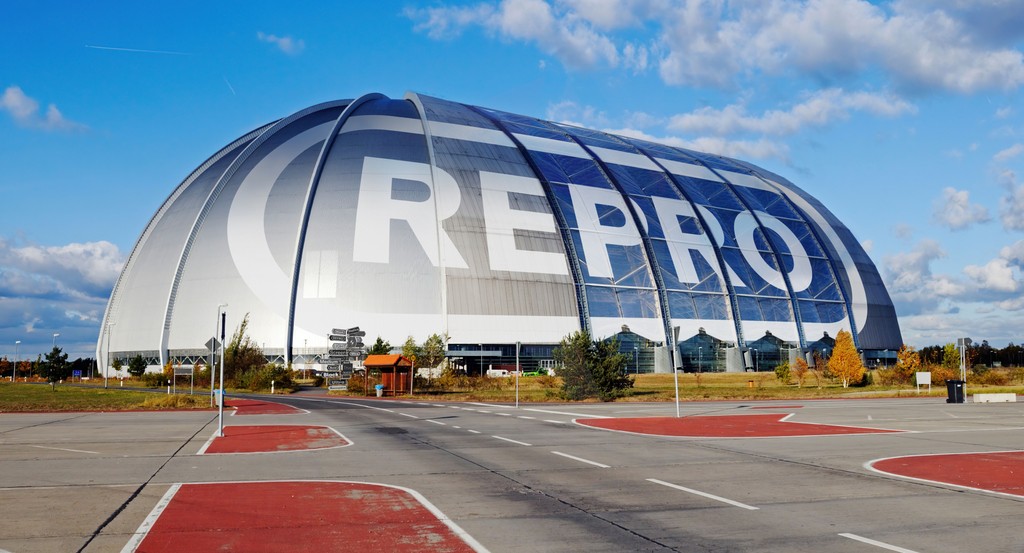
Repro
- Hairline & Italic
- Thin & Italic
- Light & Italic
- Screen & Italic
- Regular & Italic
- Medium & Italic
- Bold & Italic
- Black & Italic
- Ultra & Italic
Repro Condensed
- Hairline & Italic
- Thin & Italic
- Light & Italic
- Screen & Italic
- Regular & Italic
- Medium & Italic
- Bold & Italic
- Black & Italic
- Ultra & Italic
Repro Mono
- Hairline
- Thin
- Light
- Screen
- Regular
- Medium
- Bold
- Black
- Ultra
Repro Global
Repro
Repro
- Hairline & Italic
- Thin & Italic
- Light & Italic
- Screen & Italic
- Regular & Italic
- Medium & Italic
- Bold & Italic
- Black & Italic
- Ultra & Italic
Repro Condensed
Repro Condensed
- Hairline & Italic
- Thin & Italic
- Light & Italic
- Screen & Italic
- Regular & Italic
- Medium & Italic
- Bold & Italic
- Black & Italic
- Ultra & Italic
Repro Mono
Repro Mono
- Hairline
- Thin
- Light
- Screen
- Regular
- Medium
- Bold
- Black
- Ultra
Repro Global
Features
Alternative R
Repro → Repro
Double-storey a
a → a
Soft 2
2 → 2
Soft 6 & 9
1986
Soft percent
100%
Soft G
G → G
Soft u
u → u
Soft y
y → y
Space S
Space Odyssey
Sharp t
t → t
Sharp l
l → l
Sharp j
j → j
Square Punctuation
Äil’ŗl· → Äil’ŗl·
Circles Activated
A → A AAA
Circles Activated
B Infopoint 200m
ARRIVAL GATE A1-29
Baggage Claim B2 →
Bottom Positioning
A → A
Center Positioning
A → A
Top Positioning
A → A
Center Positioning
WORLDS HEAVYWEIGHT
THE THRILLA IN MANILA
ALI VS FRAZIER
1975 CHAMPIONSHIP FIGHT
Bottom Positioning
HAND BAKED CHOCOLATE
COOKIES 5 Pieces
Top Positioning
Daily Special Menu
900–1230
About Repro
About this typeface
Info
Repro is a friendly, flexible sans serif inspired by signage and digital operating systems; its a typeface that merges clean design with complex font engineering.
The extensive family includes nine weights with italics as well as a monospaced variant and a variety of OpenType features, forming a comprehensive toolkit for users developing experiences both online or off. As a customizable Variable Font, Repro is open-ended, with big system functionality and digital interfaces in mind.
In addition to its range of sharp or soft alternates, the typeface contains a unique tool for circled emphases, offering users a beautiful new way for creating visual hierarchy. And while Repro has an overall geometric feel, its softer and more personable than the mechanical typefaces it shares a community garden with. It’s design is bold, reliable, and recognizable, with a range of alternates, web-specific glyphs, and more, which can be mix-and-matched to create a variety of different rhythms and flavors.
Credits
Design: Erkin Karamemet
Spacing and Kerning: Igino Marini
Production: Dinamo
Repro Global
Supported Languages
Latin: Spanish, English, Portuguese, Swahili (individual language), German, Italian, Javanese, Malay (individual language), French, Turkish, Polish, Filipino, Indonesian, Yoruba, Standard Malay, Sundanese, Igbo, Northern Uzbek, Romanian, West Central Oromo, Amahuaca, Malagasy, Dutch, Tagalog, Cebuano, Somali, Northern Kurdish, Haitian, Hungarian, Zulu, Nyanja, Shona, Czech, Quechua, Swedish, Kikuyu, Kinyarwanda, Umbundu, Hiligaynon, Iloko, Rundi, Kalenjin, Ganda, Xhosa, Central Kurdish, Afrikaans, Turkmen, Madurese, Low German, Luba-Lulua, Kongo, Danish, Neapolitan, Croatian, Southern Sotho, Minangkabau, Wolof, Finnish, Kituba (Democratic Republic of Congo), Slovak, Swiss German, Pedi, Sicilian, Eastern Oromo, Norwegian, Luo (Kenya and Tanzania), Catalan, Bemba (Zambia), Buginese, Venetian, Borana-Arsi-Guji Oromo, Kamba (Kenya), Lombard, Banjar, Soga, Achinese, Gheg Albanian, Nyankole, Balinese, Jamaican Creole English, Yao, Lithuanian, Bosnian, Waray (Philippines), Slovenian, K'iche', Gusii, Kimbundu, Southern Qiandong Miao, Northern Qiandong Miao, Soninke, Meru, Afar, Pampanga, Hani, Tosk Albanian, Standard Latvian, Central Aymara, Southern Aymara, Batak Toba, Toba, North Ndebele, Chiga, Sena, Bini, Galician, Tumbuka, Scots, Tonga (Zambia), Dimli (individual language), Kirmanjki (individual language), Acholi, Anaang, Makonde, Sardinian, Mandinka, Guadeloupean Creole French, Batak Simalungun, Batak Dairi, Batak Mandailing, South Ndebele, Standard Estonian, Ngazidja Comorian, Morisyen, Khasi, Upper Guinea Crioulo, Chokwe, Gourmanchéma, Kabuverdianu, Lushai, Ndonga, Uab Meto, Kekchí, Occitan (post 1500), Yucateco, Bari, Basque, Picard, Piemontese, Welsh, Chavacano, Bena (Tanzania), Nobiin, Konzo, Walloon, Friulian, Kara-Kalpak, Balkan Romani, Crimean Tatar, Vlax Romani, Maltese, Samoan, Silesian, Batak Karo, Mam, Western Frisian, Sango, Zapotec, Tzeltal, Jola-Fonyi, Tzotzil, Ladino, Efik, Tetun Dili, Tetum, Luxembourgish, Asturian, Papiamento, Tedim Chin, Fijian, Icelandic, Wayuu, Mandjak, Mapudungun, Kölsch, Macedo-Romanian, Kaonde, Montenegrin, Breton, Latgalian, Garifuna, Tonga (Tonga Islands), Amis, Caribbean Hindustani, Huastec, Maore Comorian, Mískito, Irish, Gagauz, Sranan Tongo, Corsican, Purepecha, Tok Pisin, Gilbertese, Kashubian, Mwani, Arbëreshë Albanian, Saramaccan, Võro, Atayal, Papantla Totonac, Bikol, Mankanya, Sangu (Tanzania), Seselwa Creole French, Faroese, Andaandi, Tahitian, Orma, Páez, Chamorro, Kalaallisut, Scottish Gaelic, Marshallese, Aguaruna, Chuukese, Maori, Mattokki, Romansh, Ladin, Central Nahuatl, Ojitlán Chinantec, Karelian, Asháninka, Naga Pidgin, Pohnpeian, Shipibo-Conibo, Northern Sami, Shuar, Alekano, Pijin, Walser, Rarotongan, Acheron, Kaingang, Palauan, Mirandese, Upper Sorbian, Dehu, Tuvalu, Aragonese, Bislama, Chachi, Pichis Ashéninka, Ashéninka Perené, Yanesha', Ixcatlán Mazatec, Kven Finnish, Niuean, Achuar-Shiwiar, Lower Sorbian, Hopi, Nomatsiguenga, Eastern Arrernte, Creek, Rotokas, Mohawk, Tokelau, Algonquin, Cofán, Warlpiri, Matsés, Murrinh-Patha, Chiltepec Chinantec, Veps, Amarakaeri, Interlingua (International Auxiliary Language Association), Oroqen, Cashinahua, Cashibo-Cacataibo, Candoshi-Shapra, Esperanto, Kala Lagaw Ya, Seri, Lule Sami, Southern Sami, Pipil, Caquinte, Inari Sami, Cimbrian, Istro Romanian, Anuta, Meriam Mir, Shawnee, Ido, Aleut, Pintupi-Luritja, Gooniyandi, Ume Sami, Wiradjuri, Volapük, Han, Western Abnaki, Záparo, Munsee, Lojban, Interlingue, Potawatomi, Minang, Manx, Interglossa, Latin, Klingon, Cornish, Novial and Eastern Abnaki
Character Overview
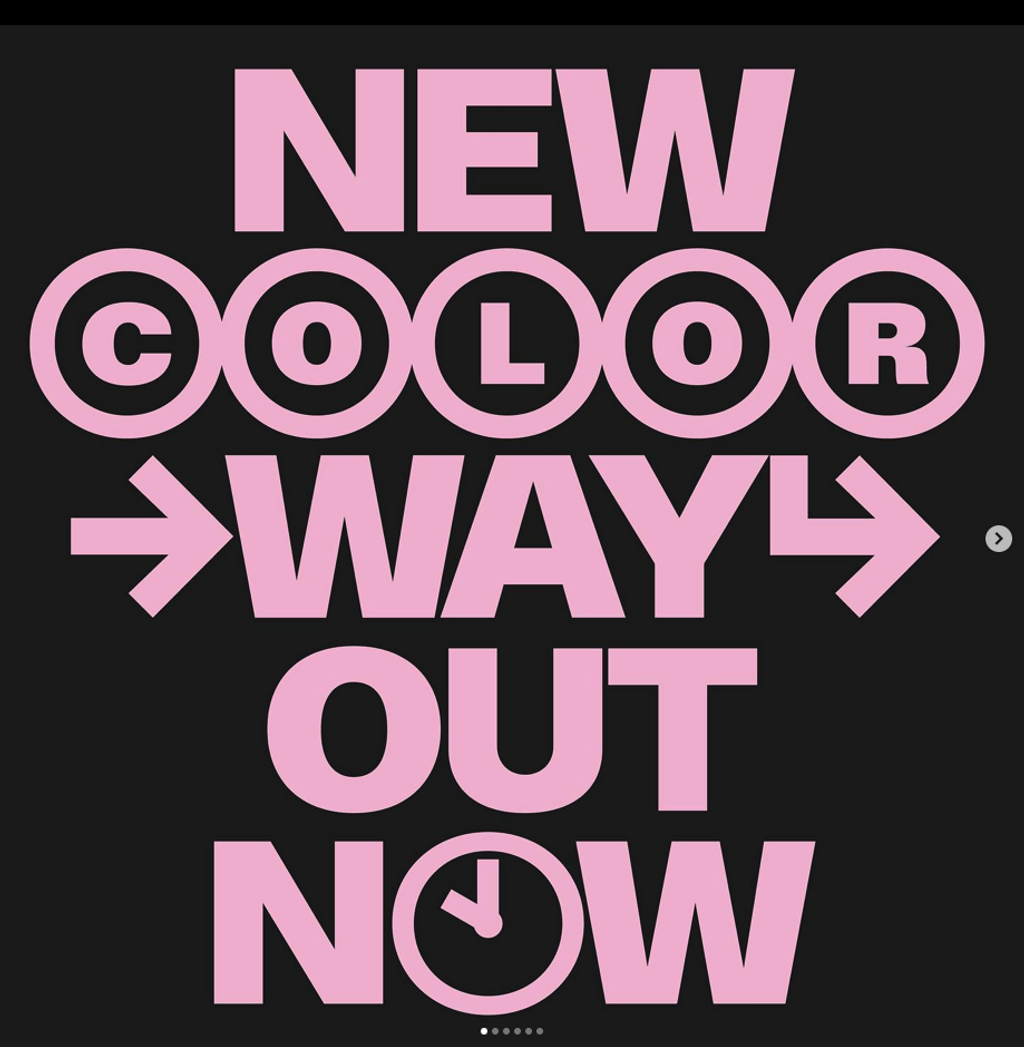
Repro In Use
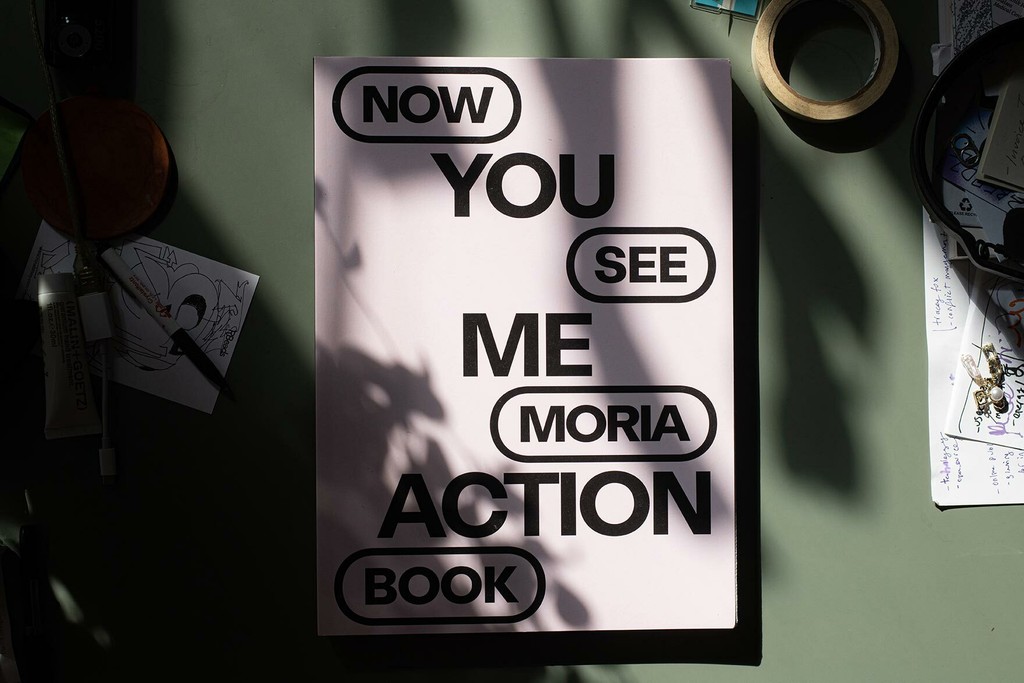
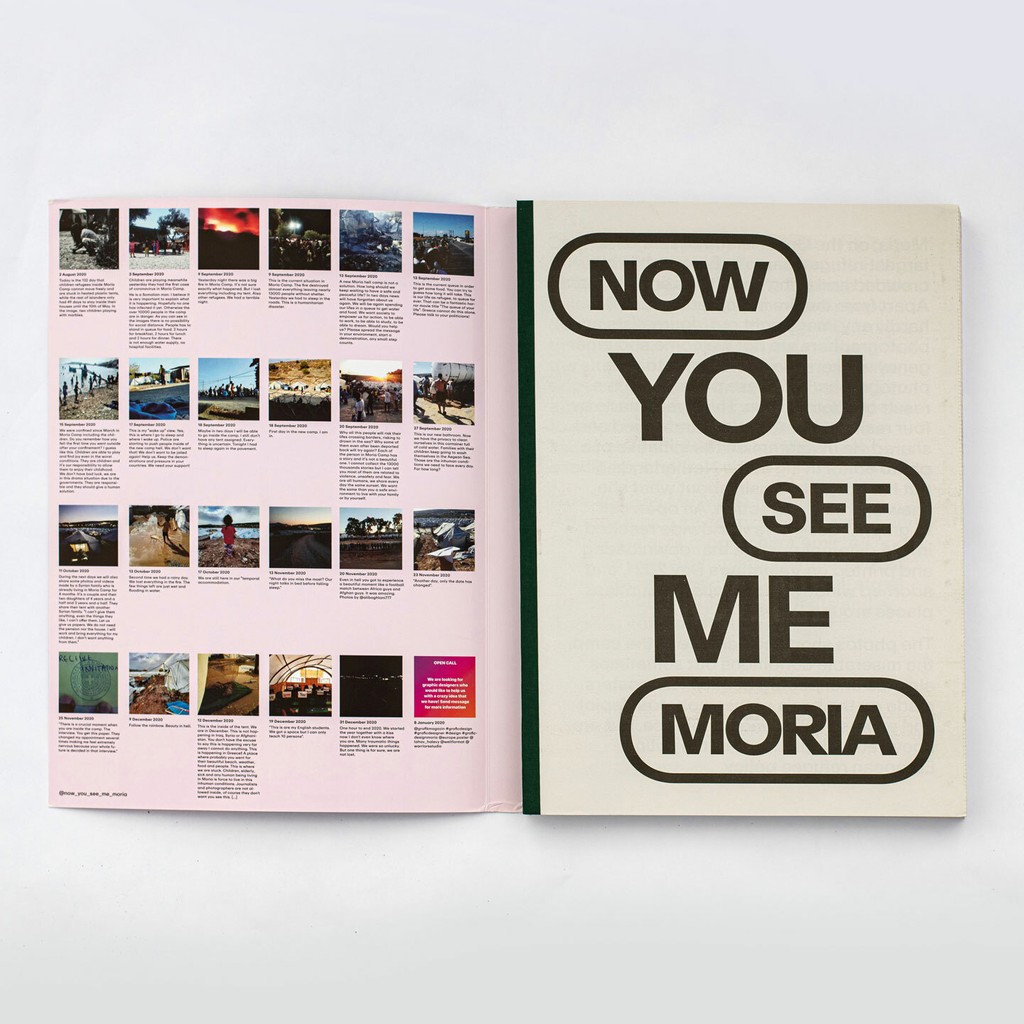
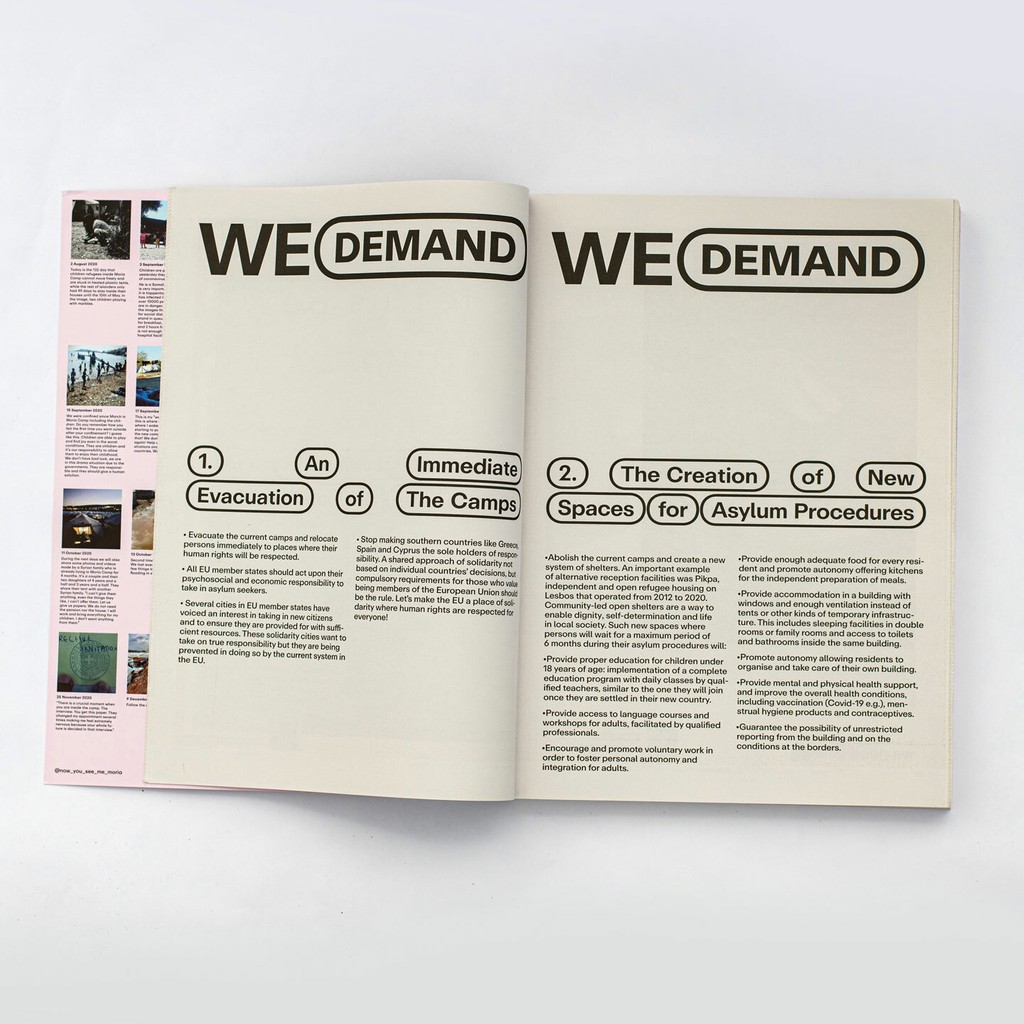
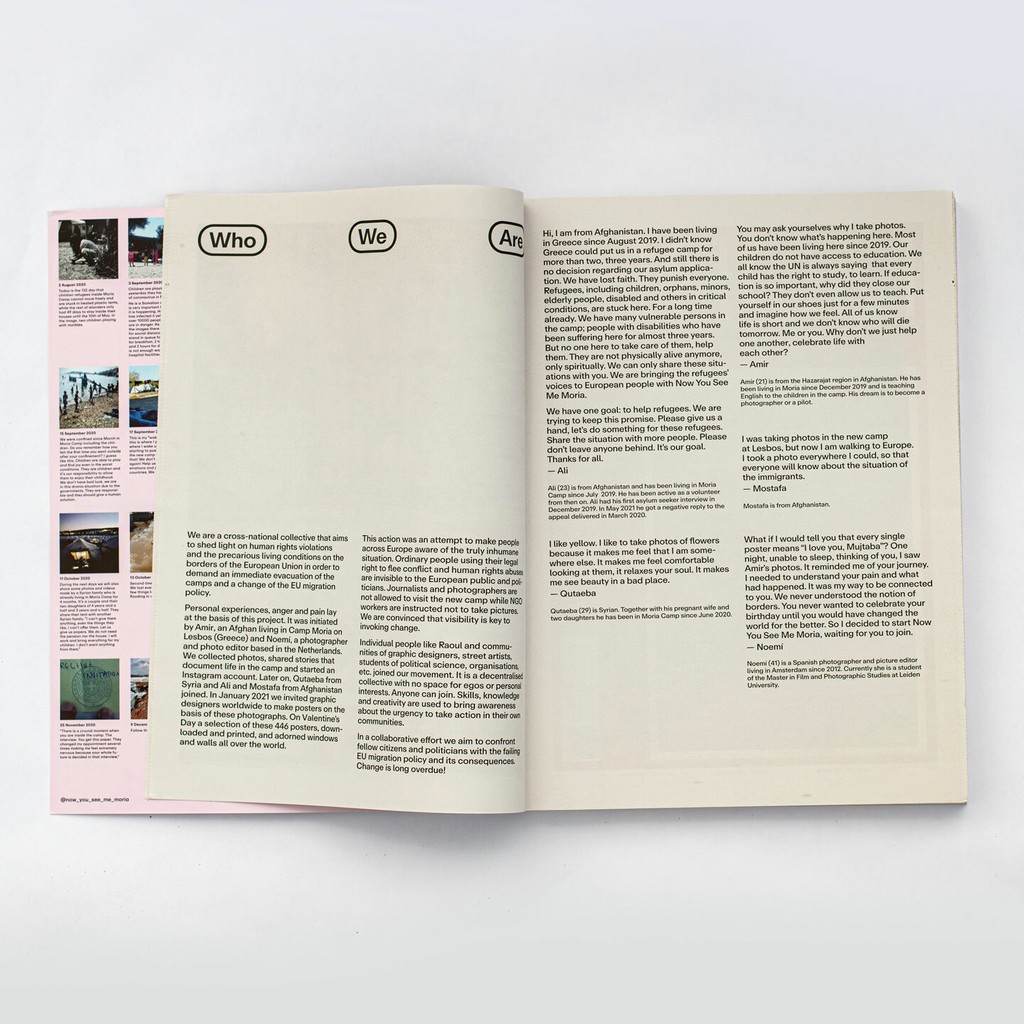
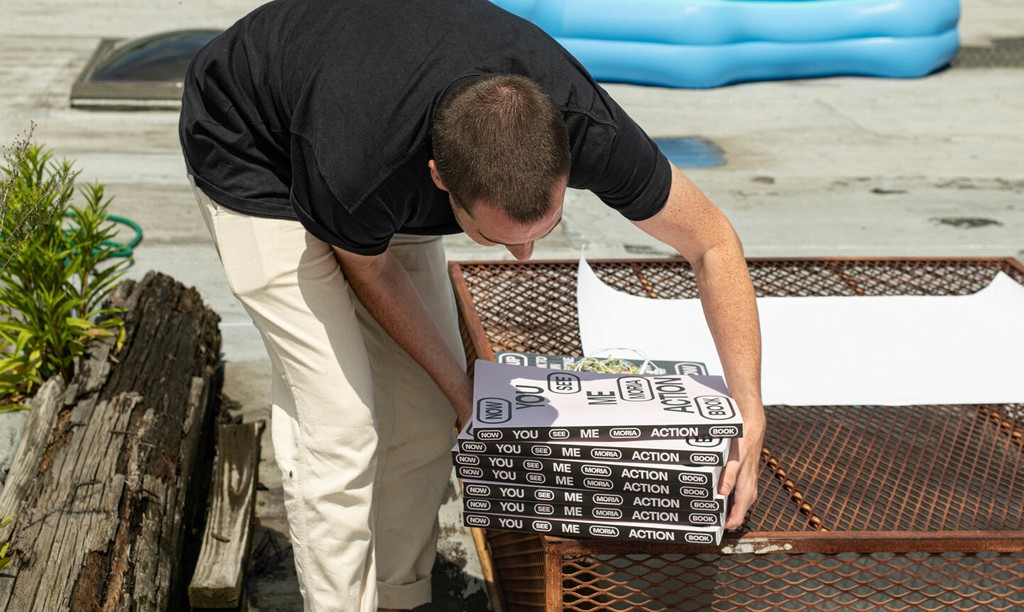
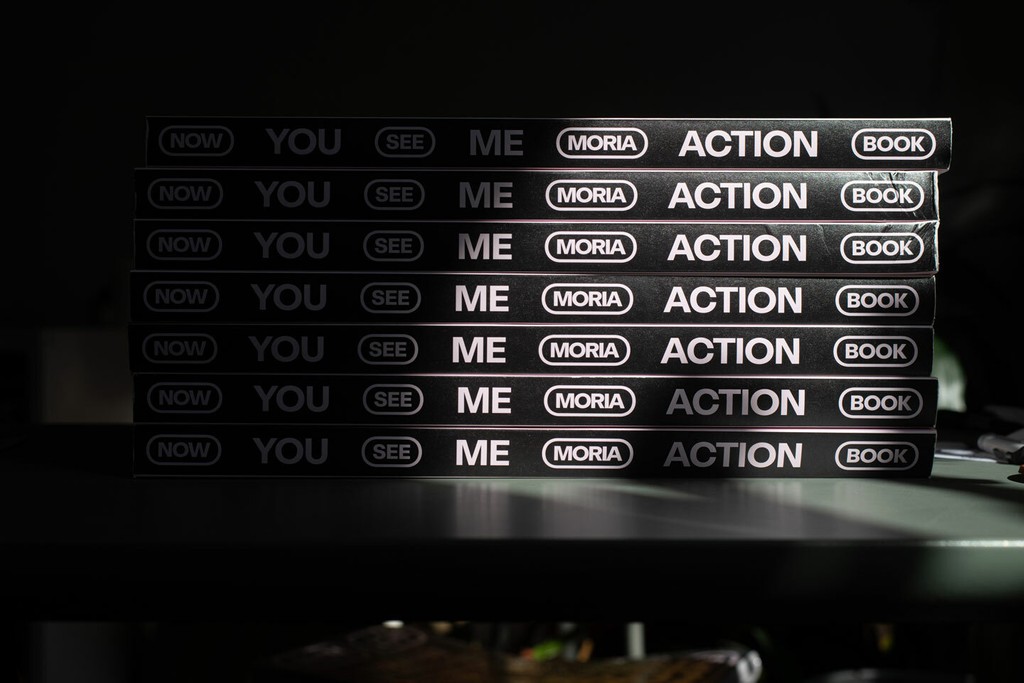
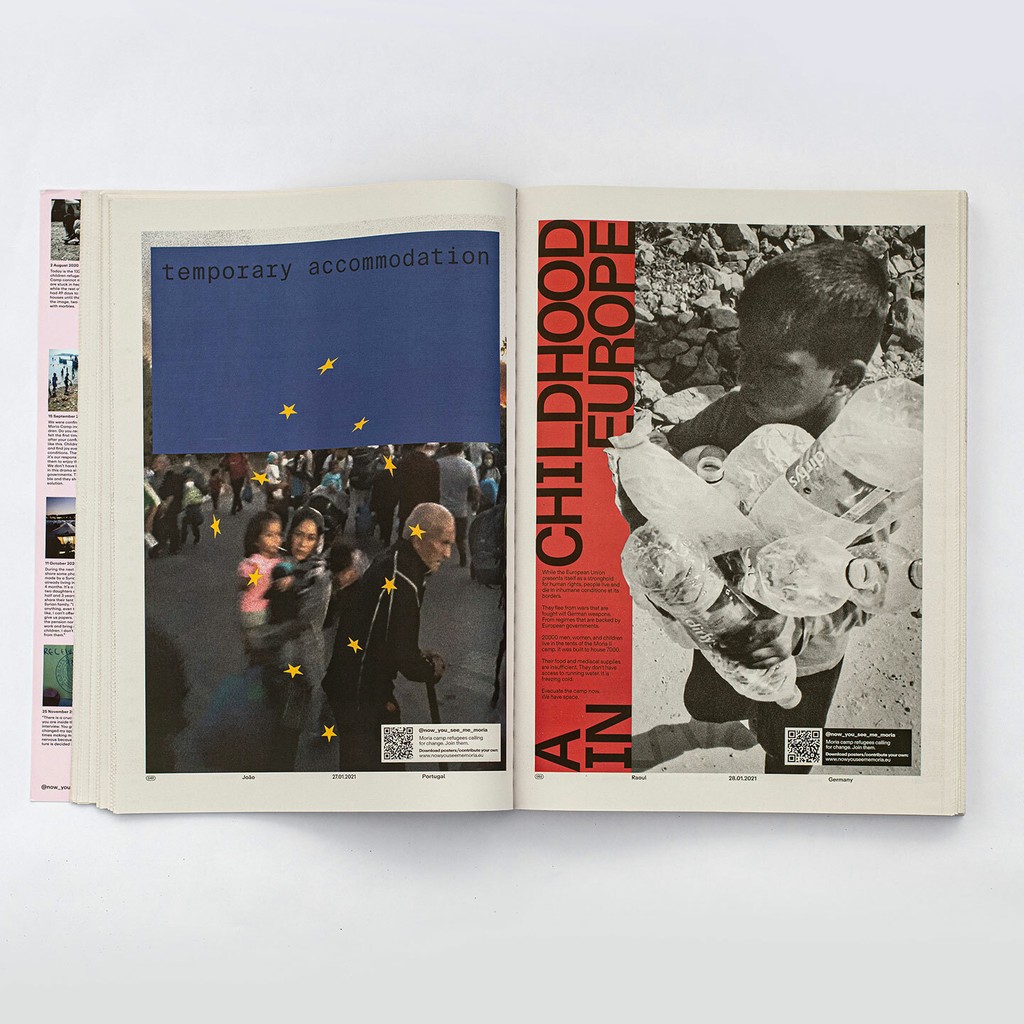
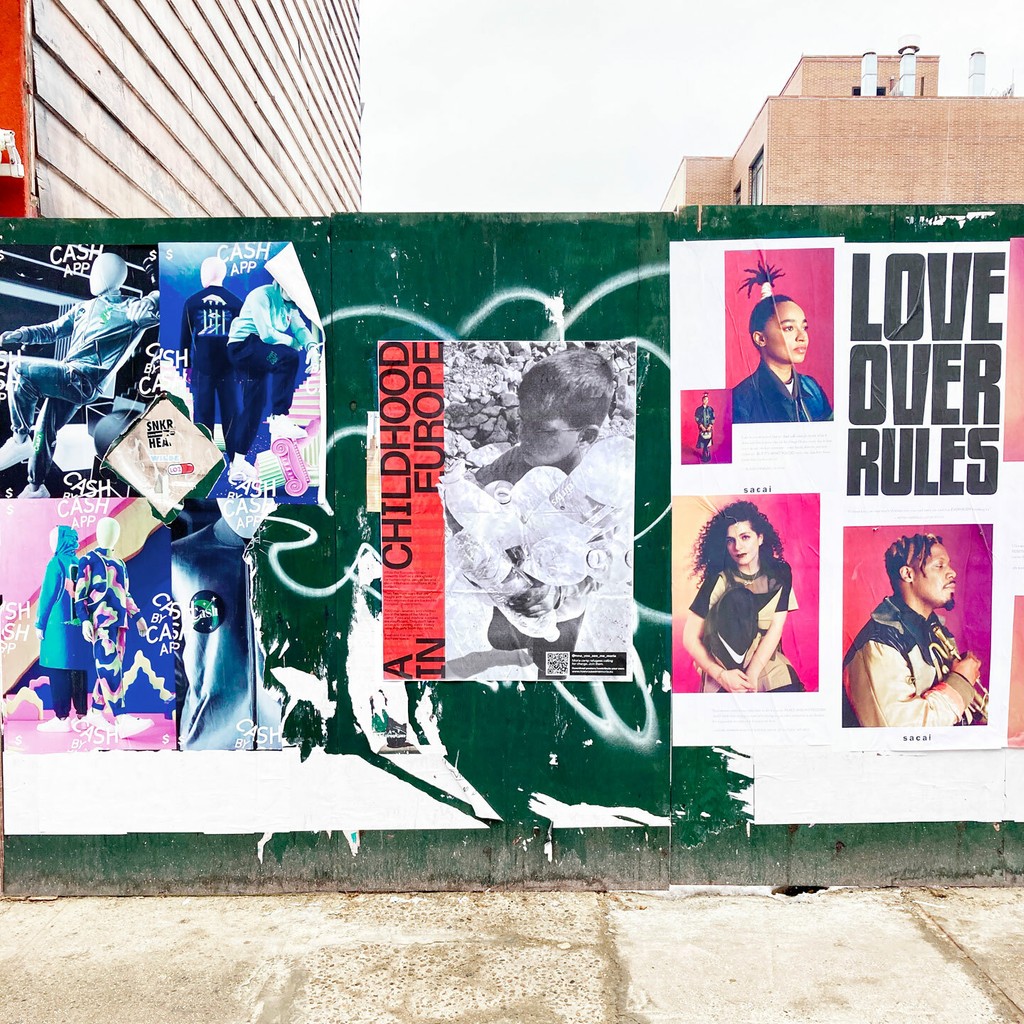
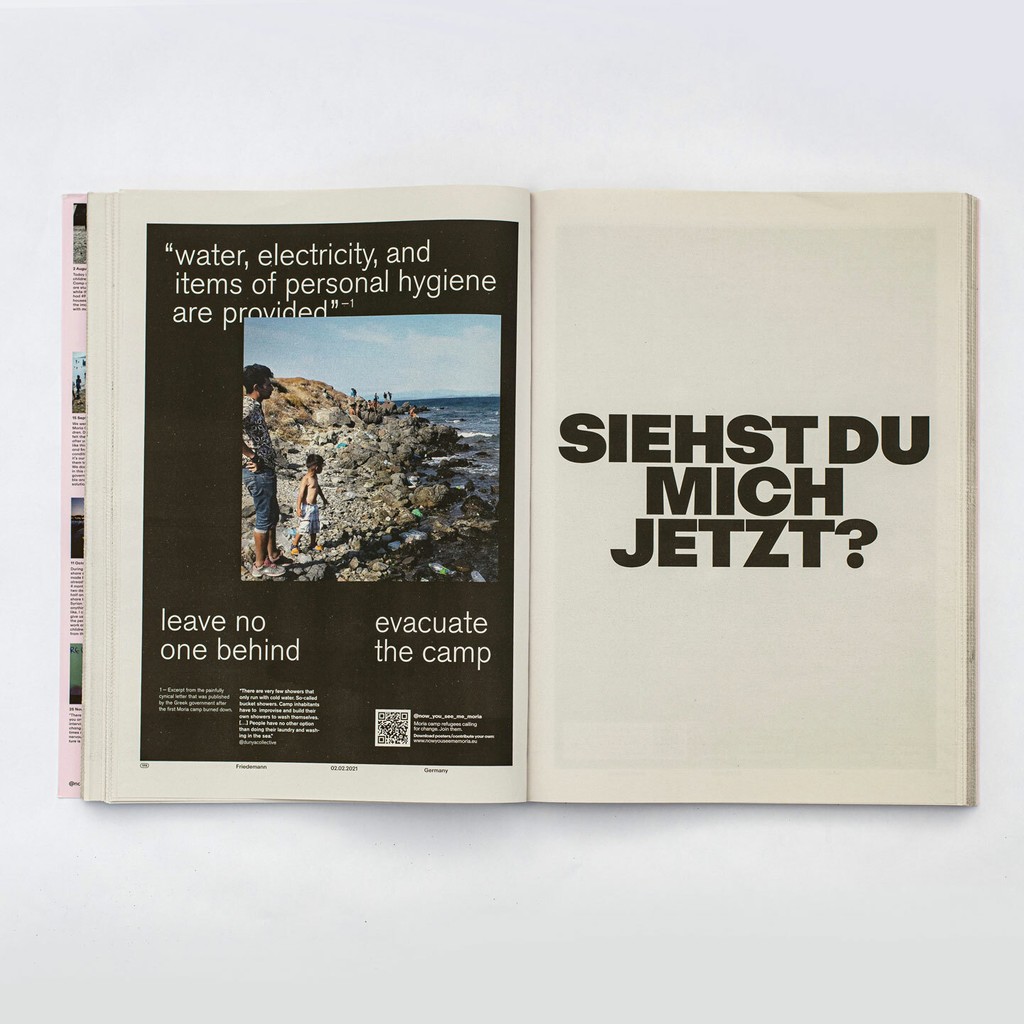
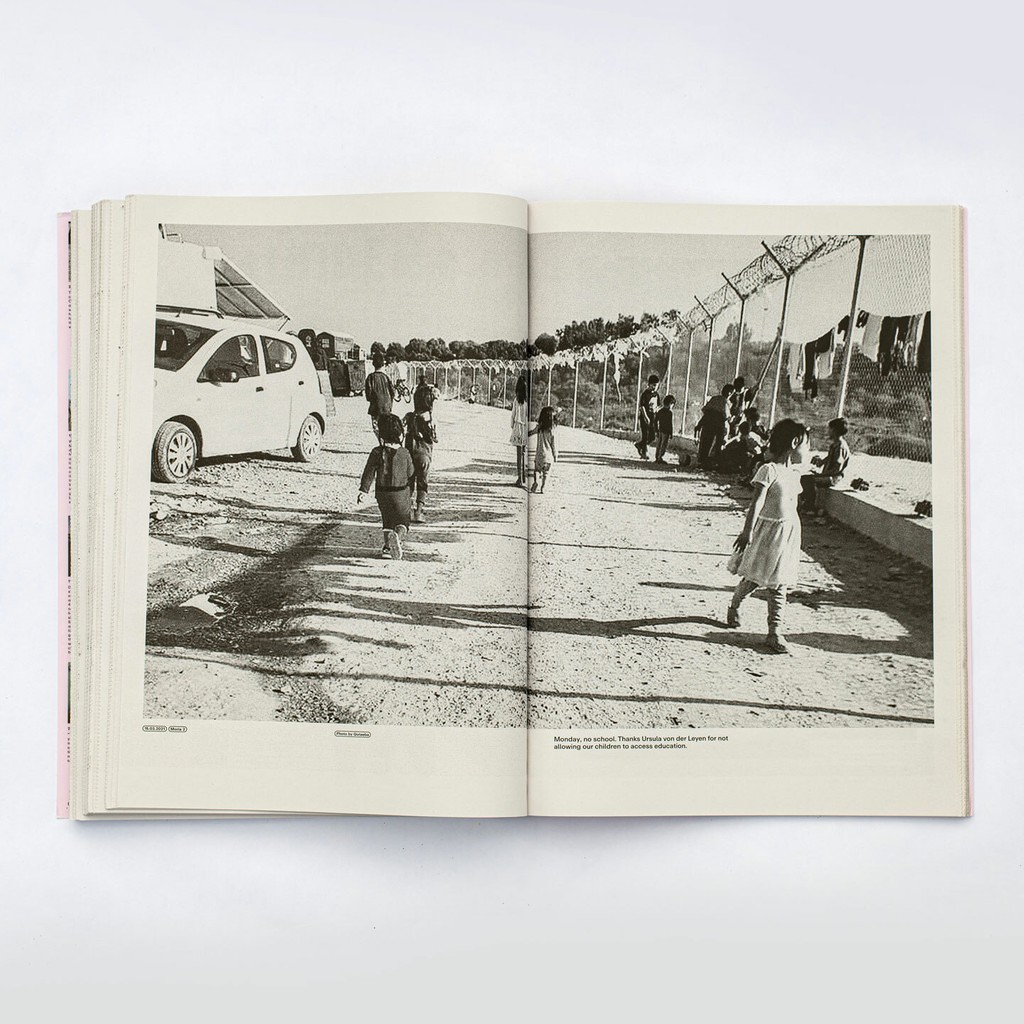
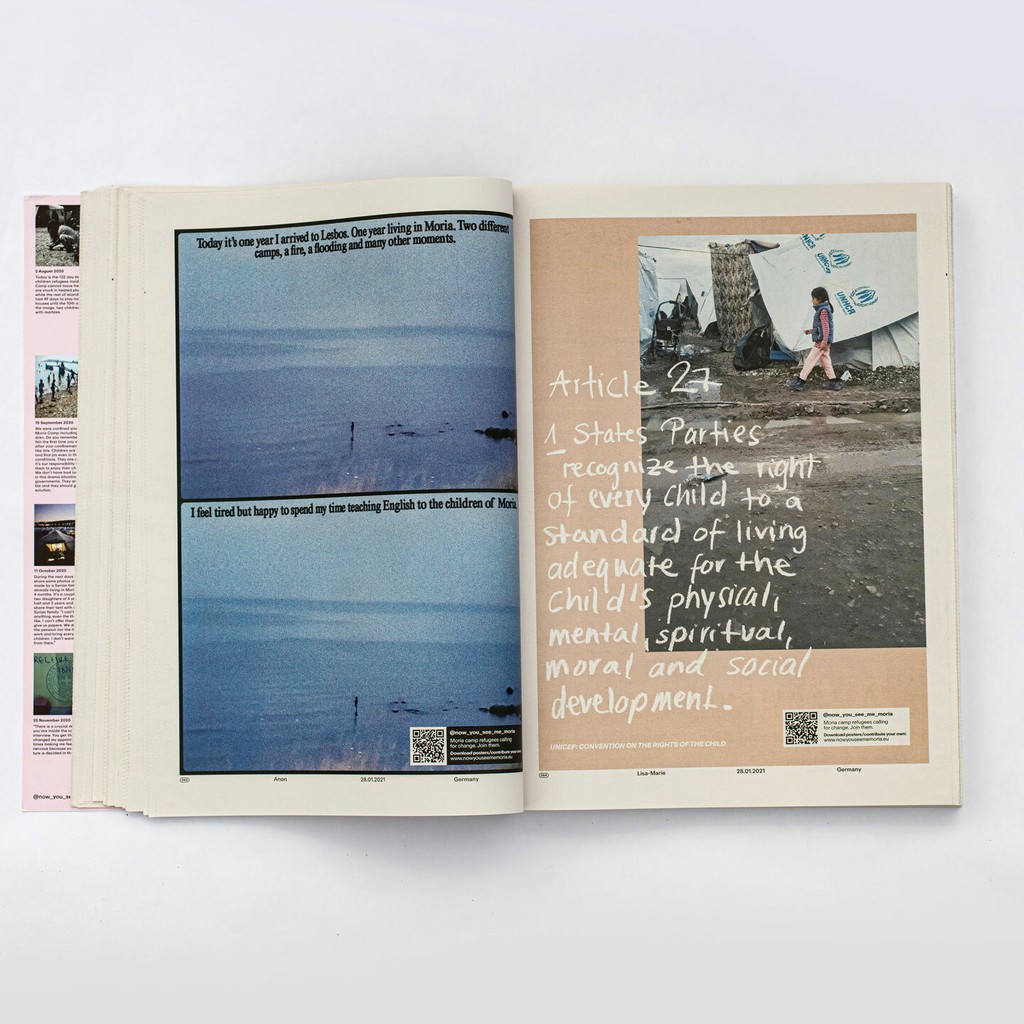
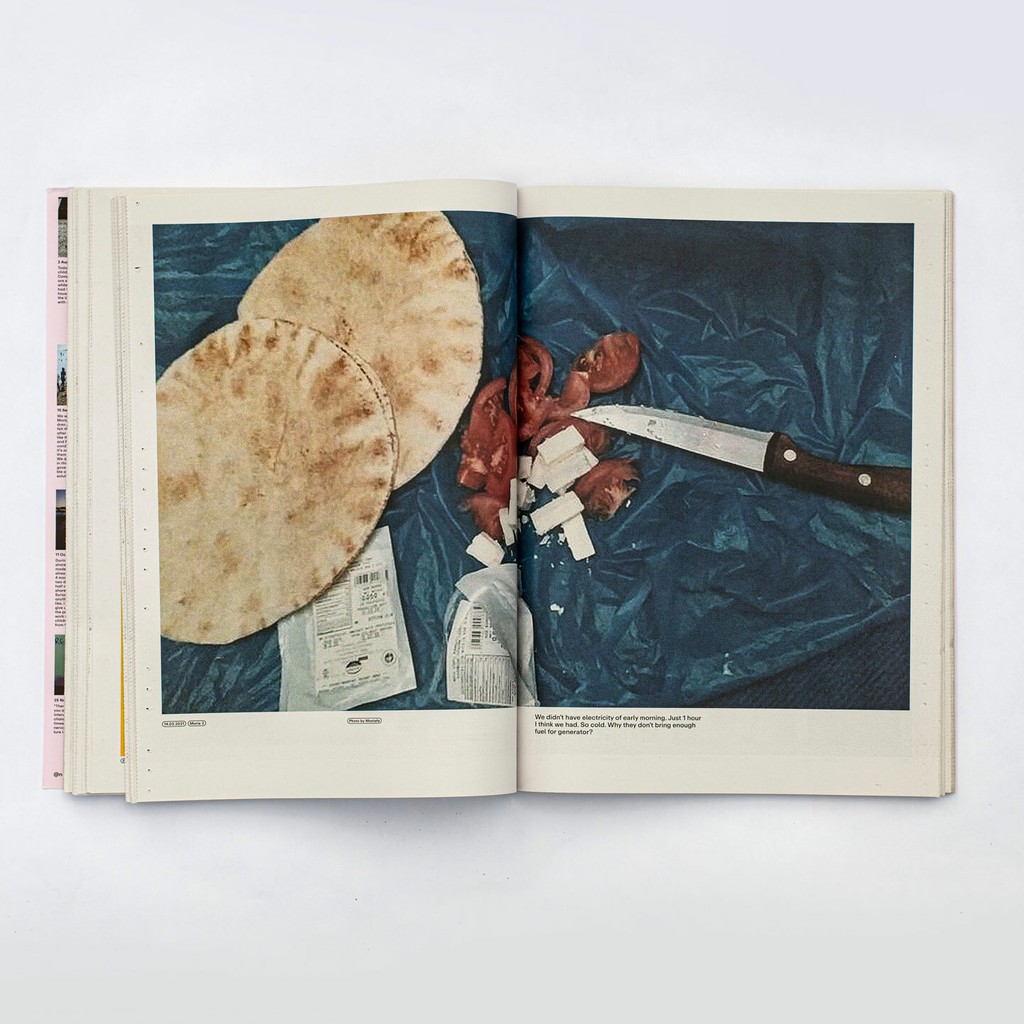
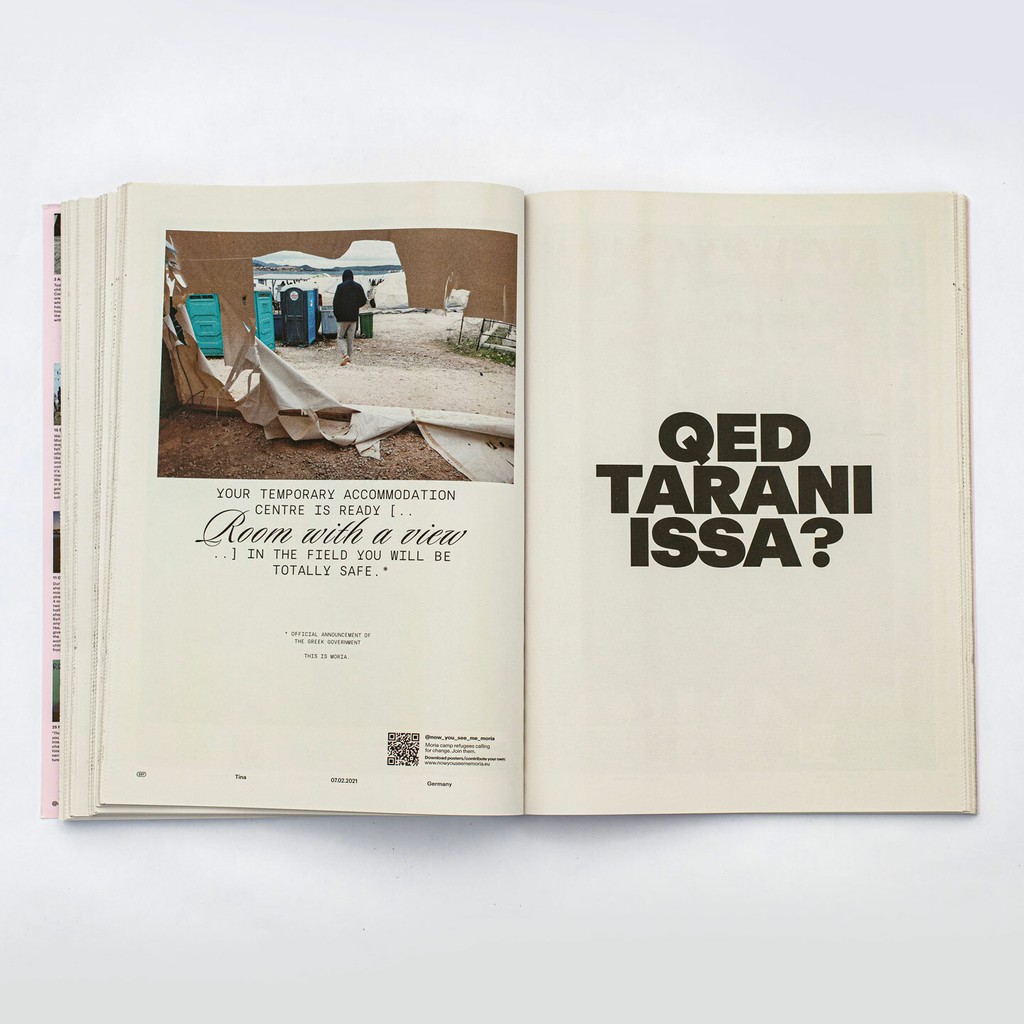
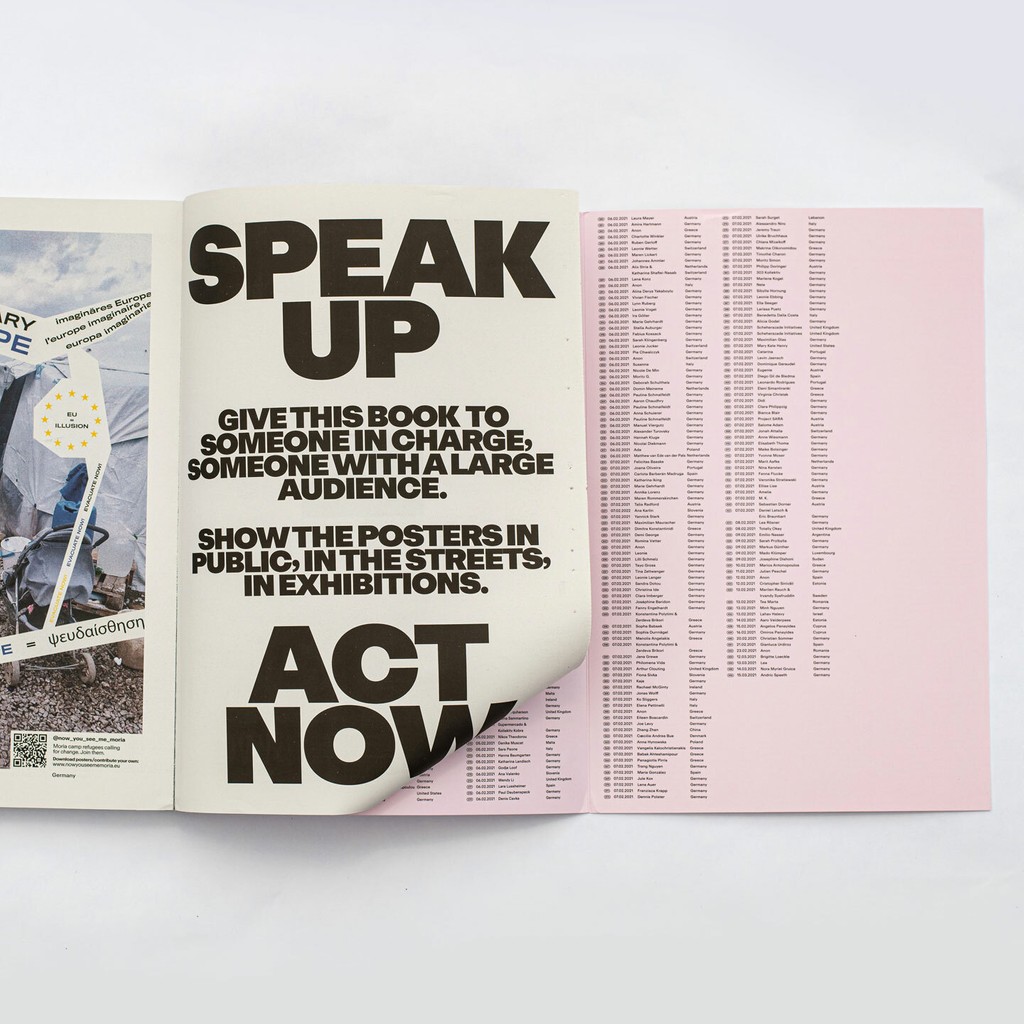
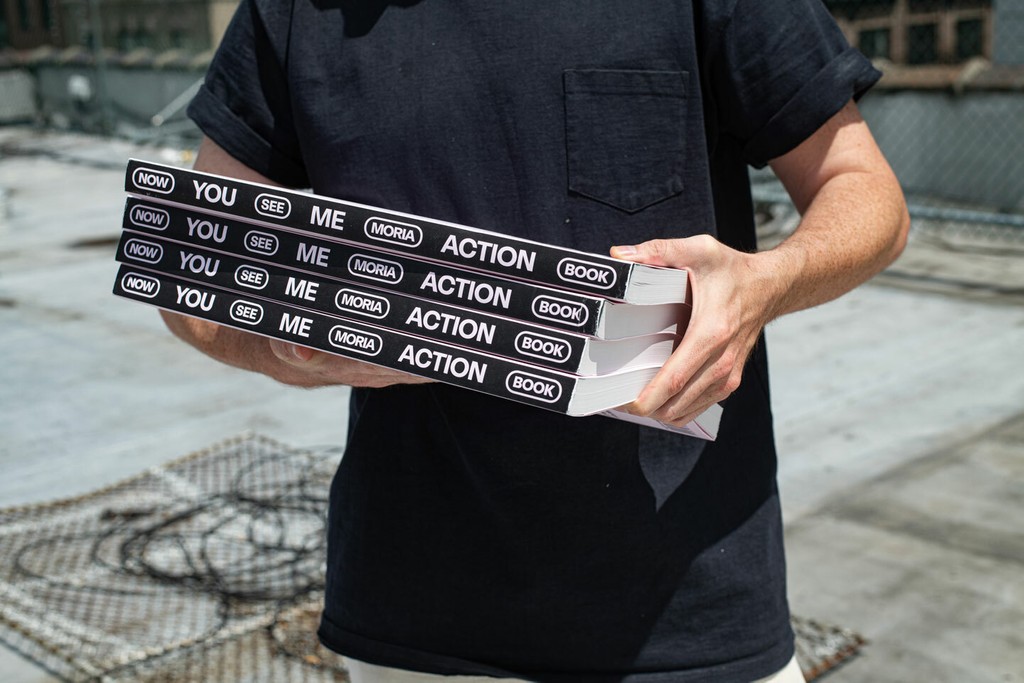
No You See Me Moria Action Book. Design by Raoul Gottschling
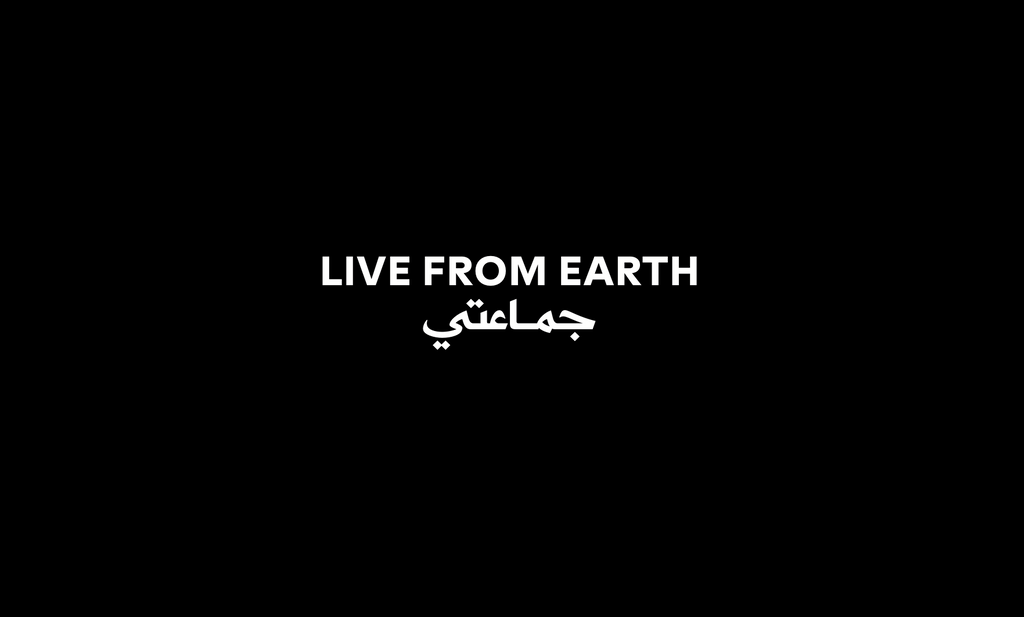
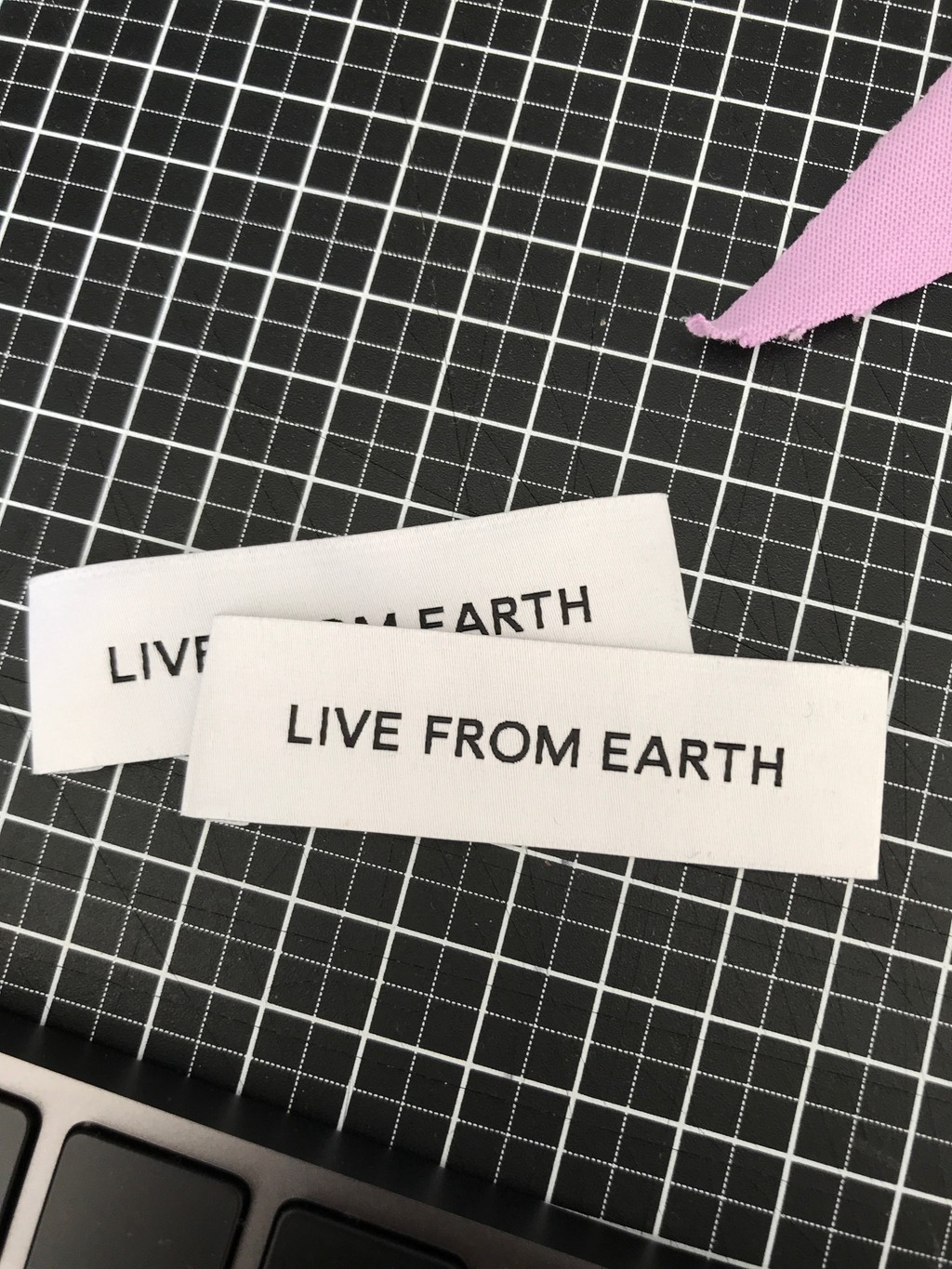
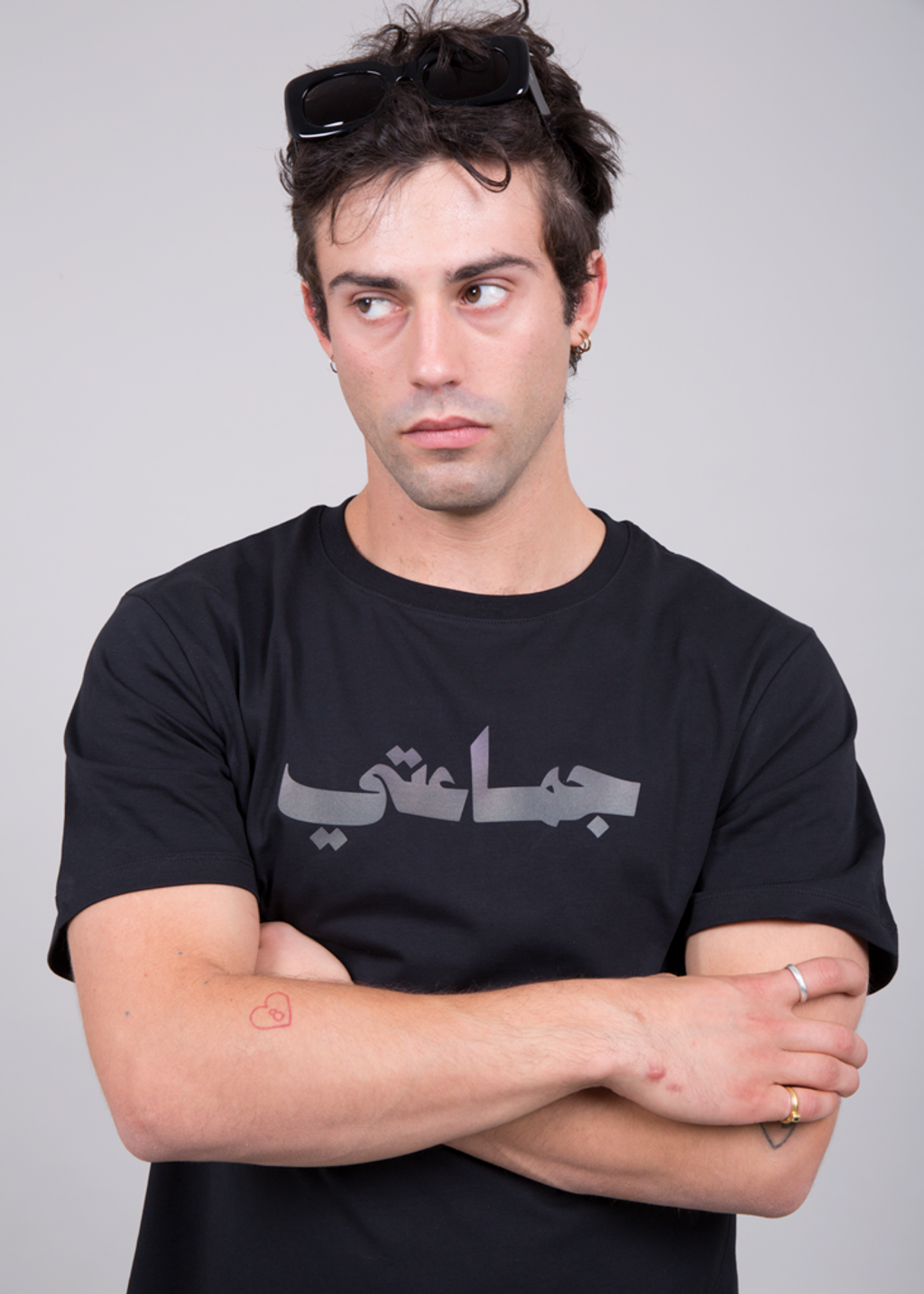
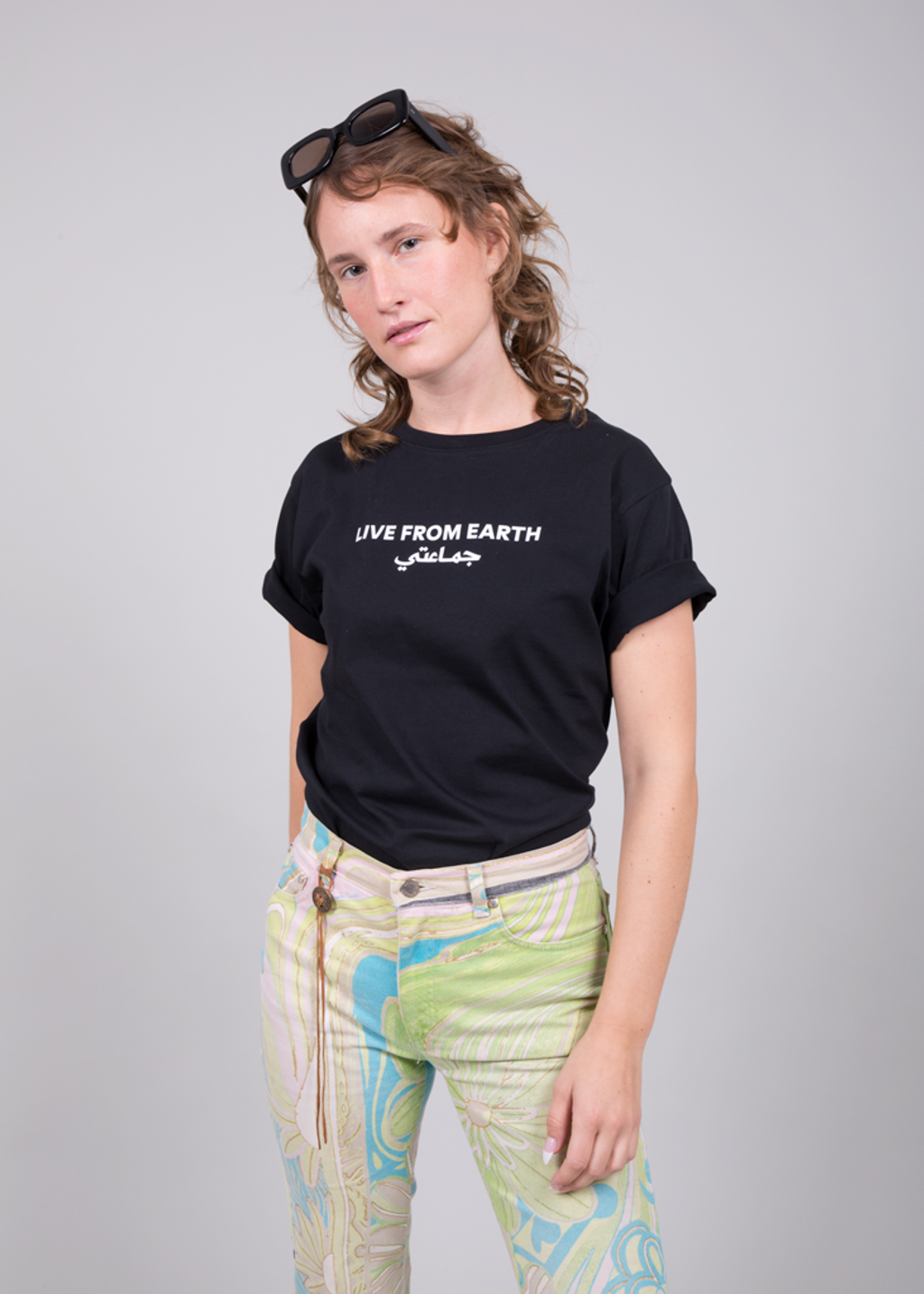
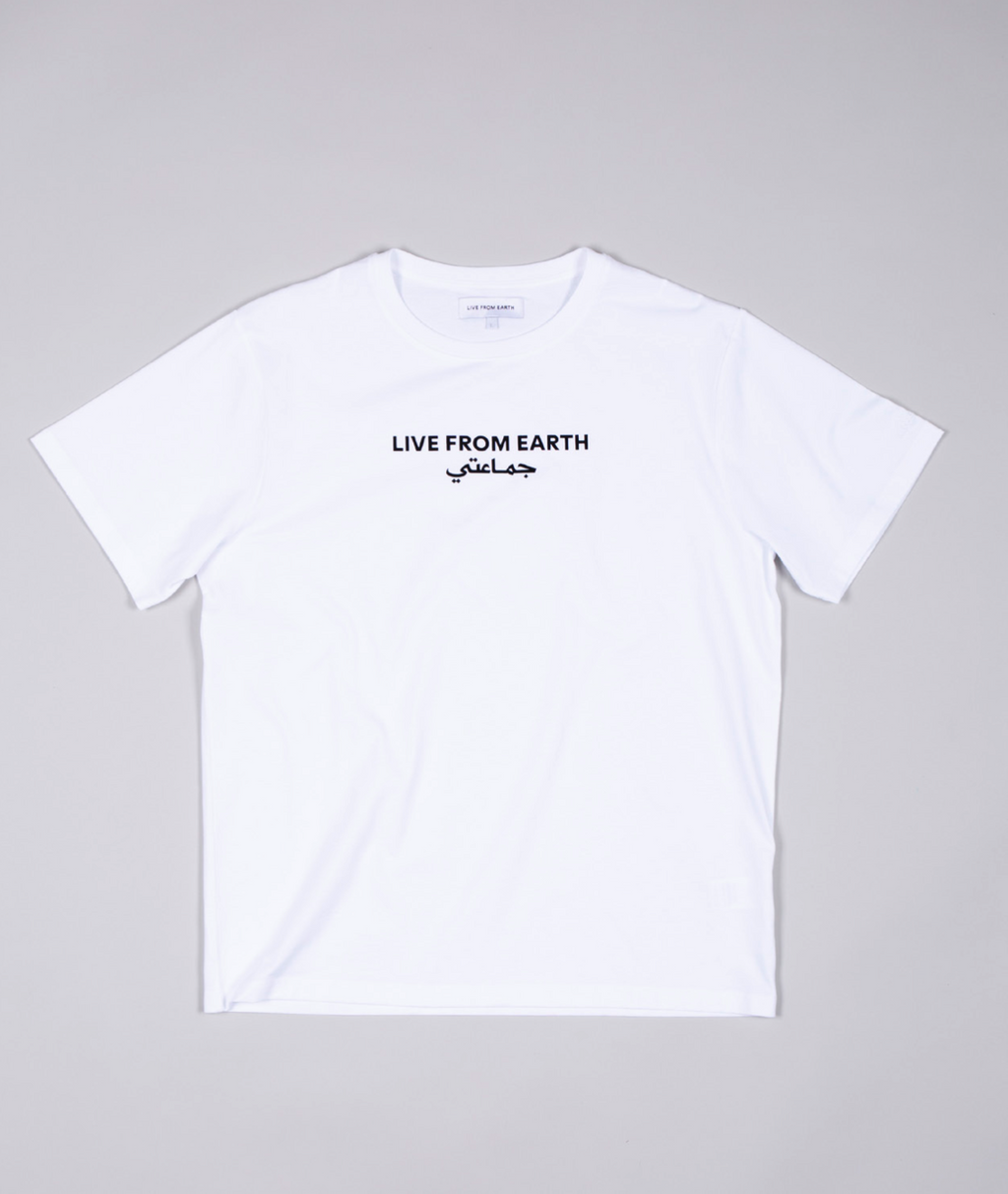
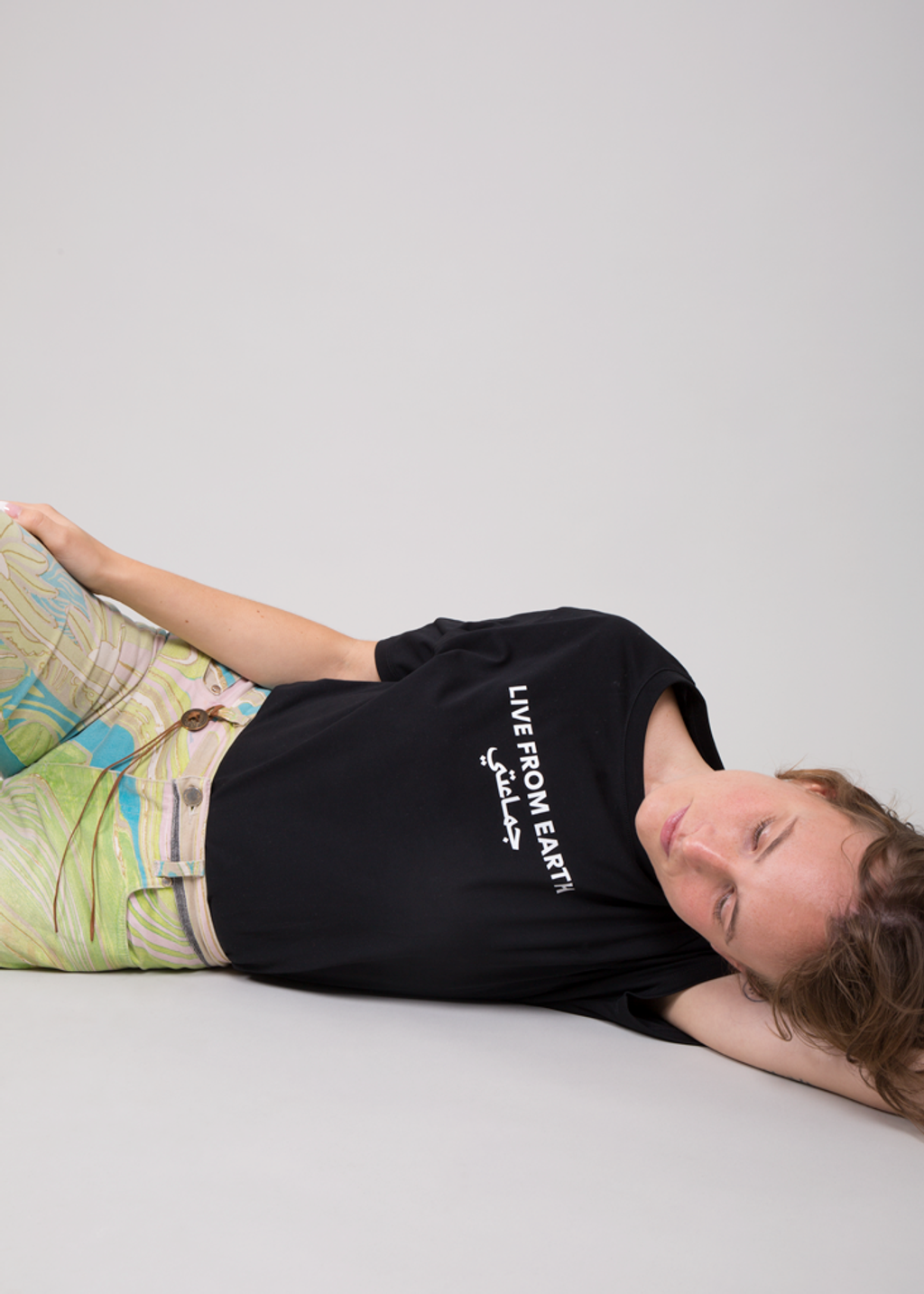
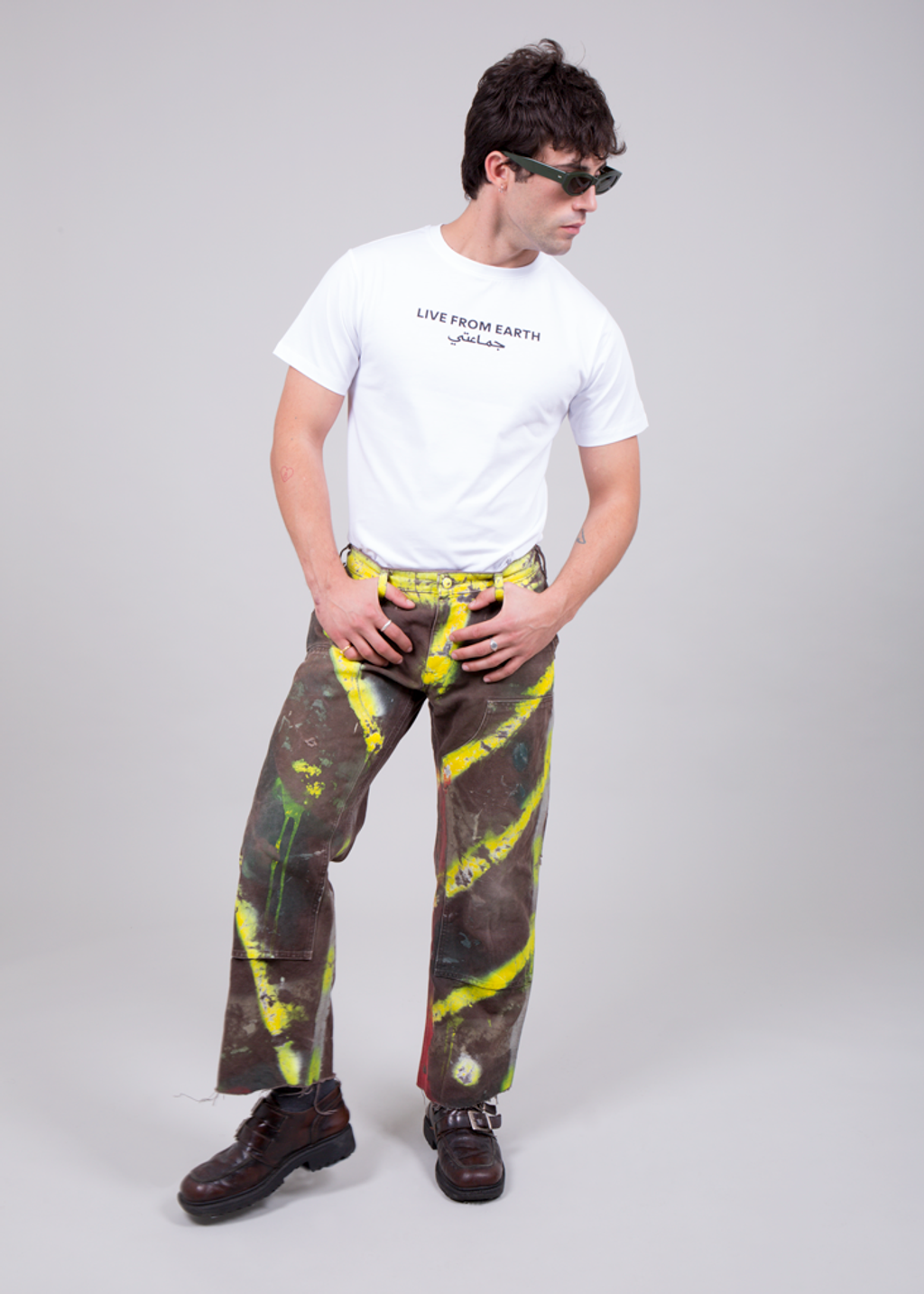
LIVE FROM EARTH, identity. Max Rüting, Moritz Lösel, Lorenz Wirth, Tim Lindacher, Josh Schreiner, and the whole fam.
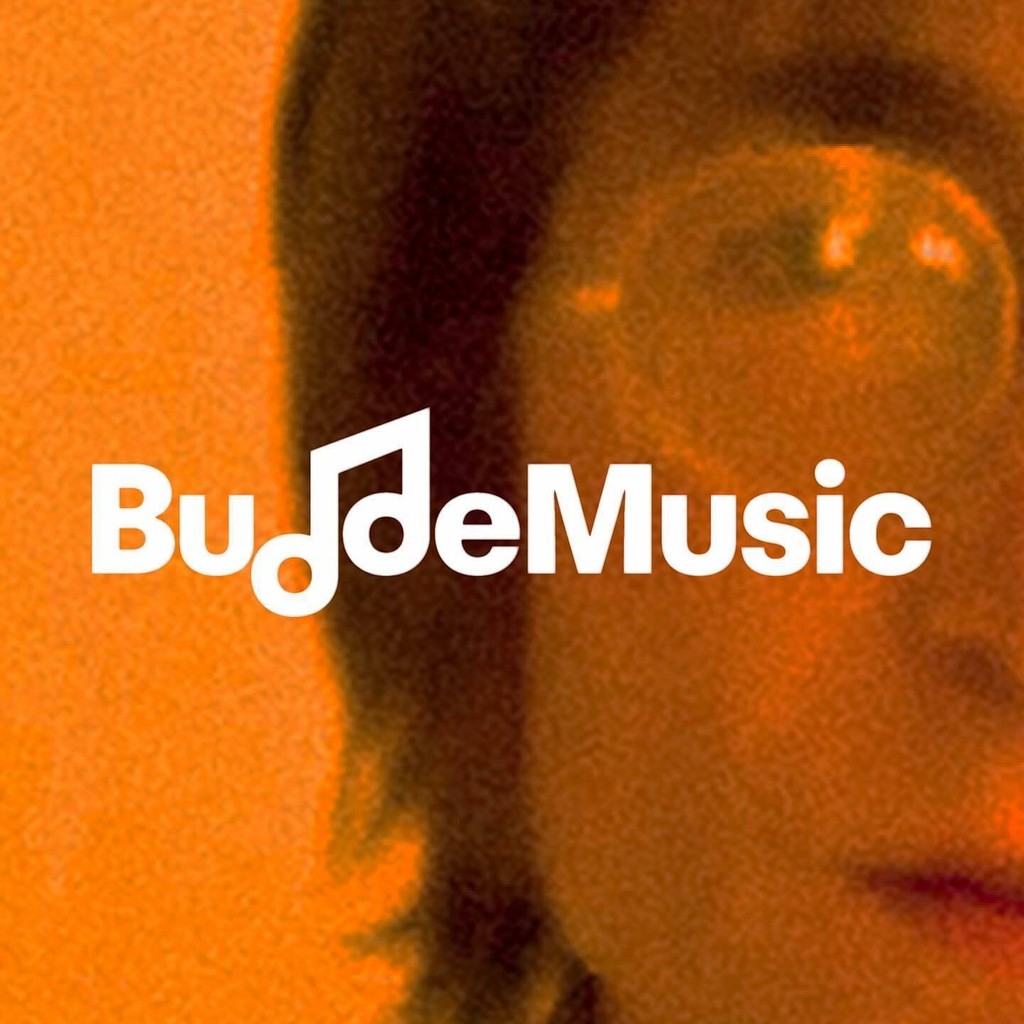
BuddeMusic. Identity and website by Workout Services
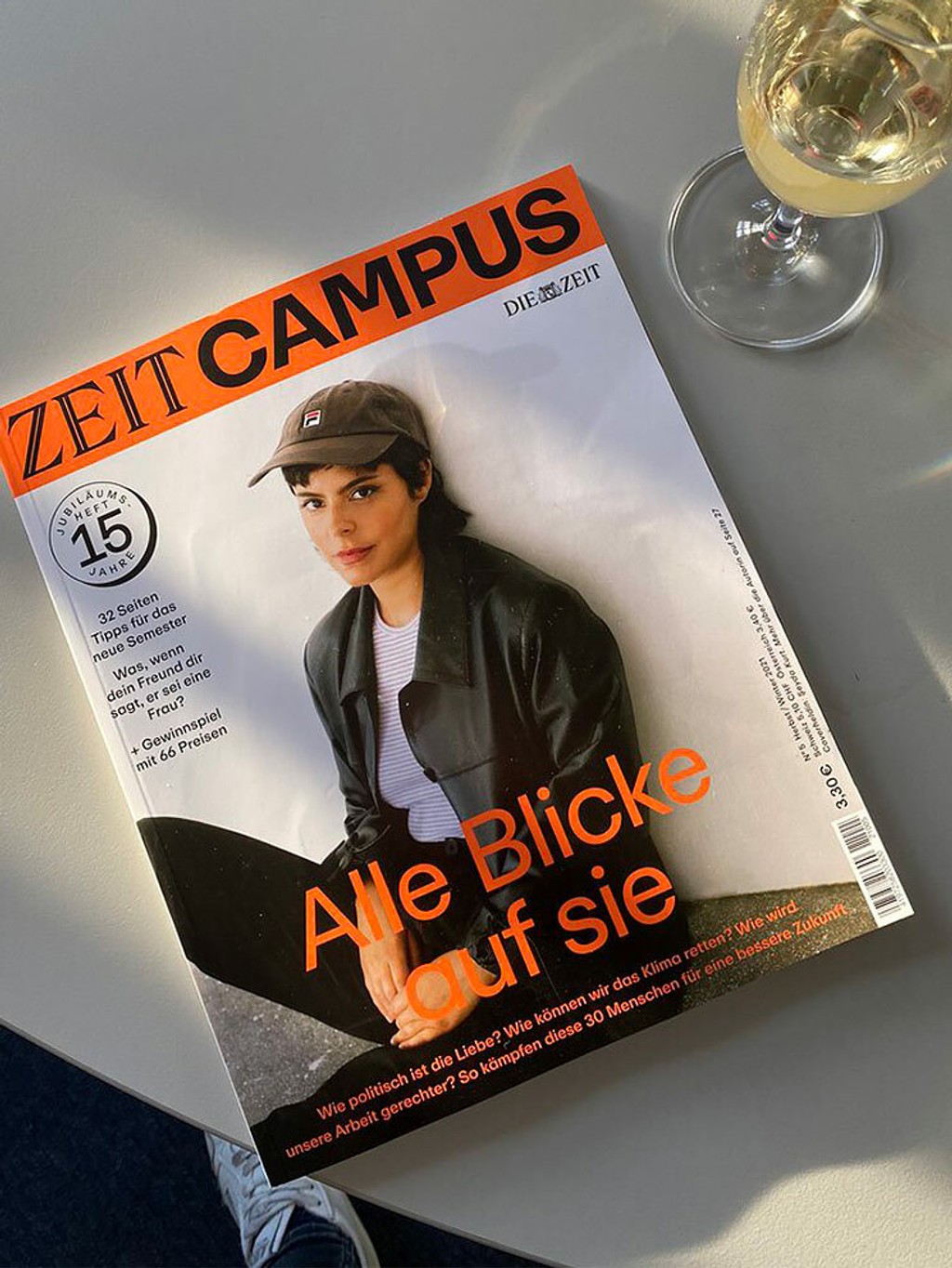
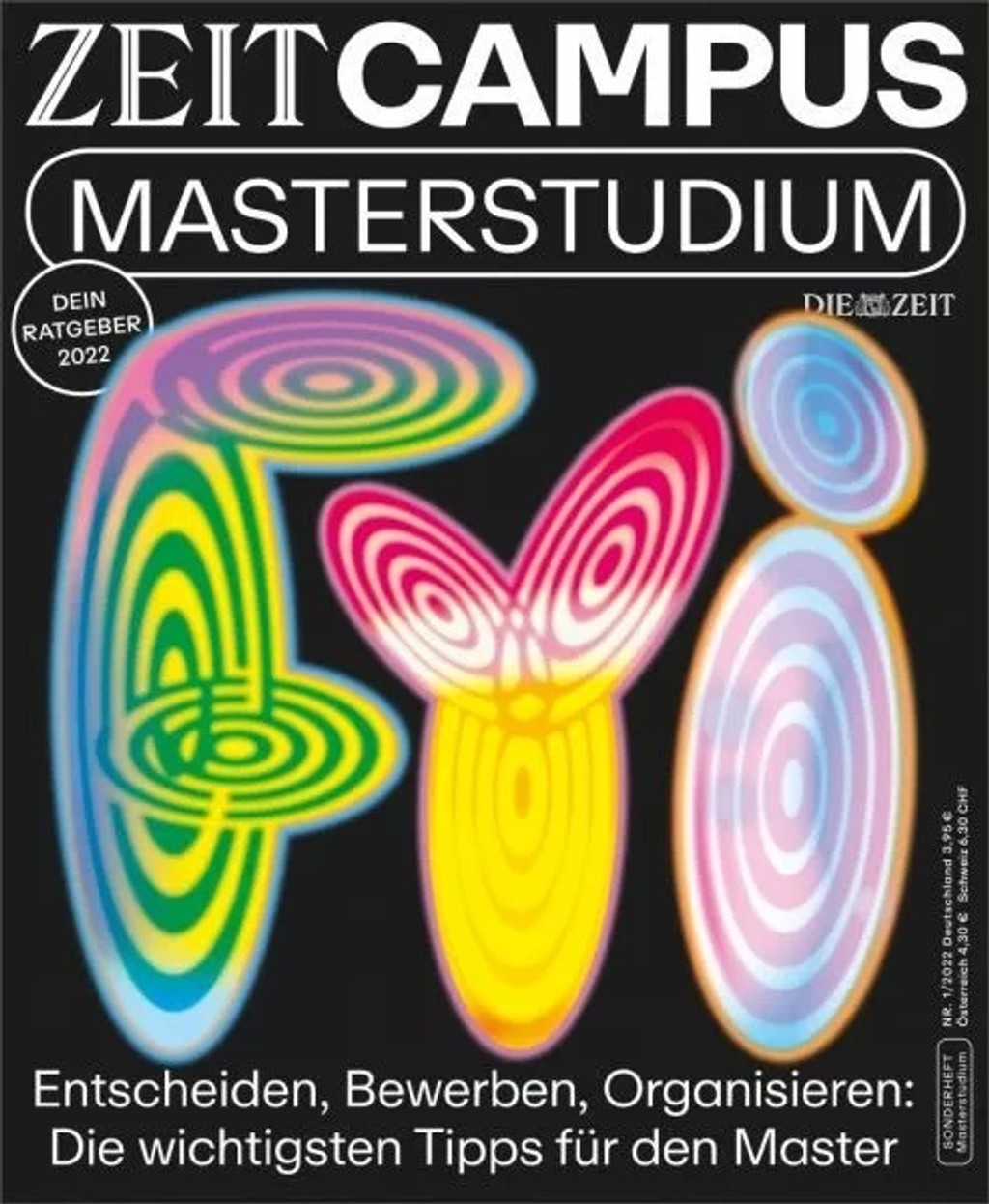
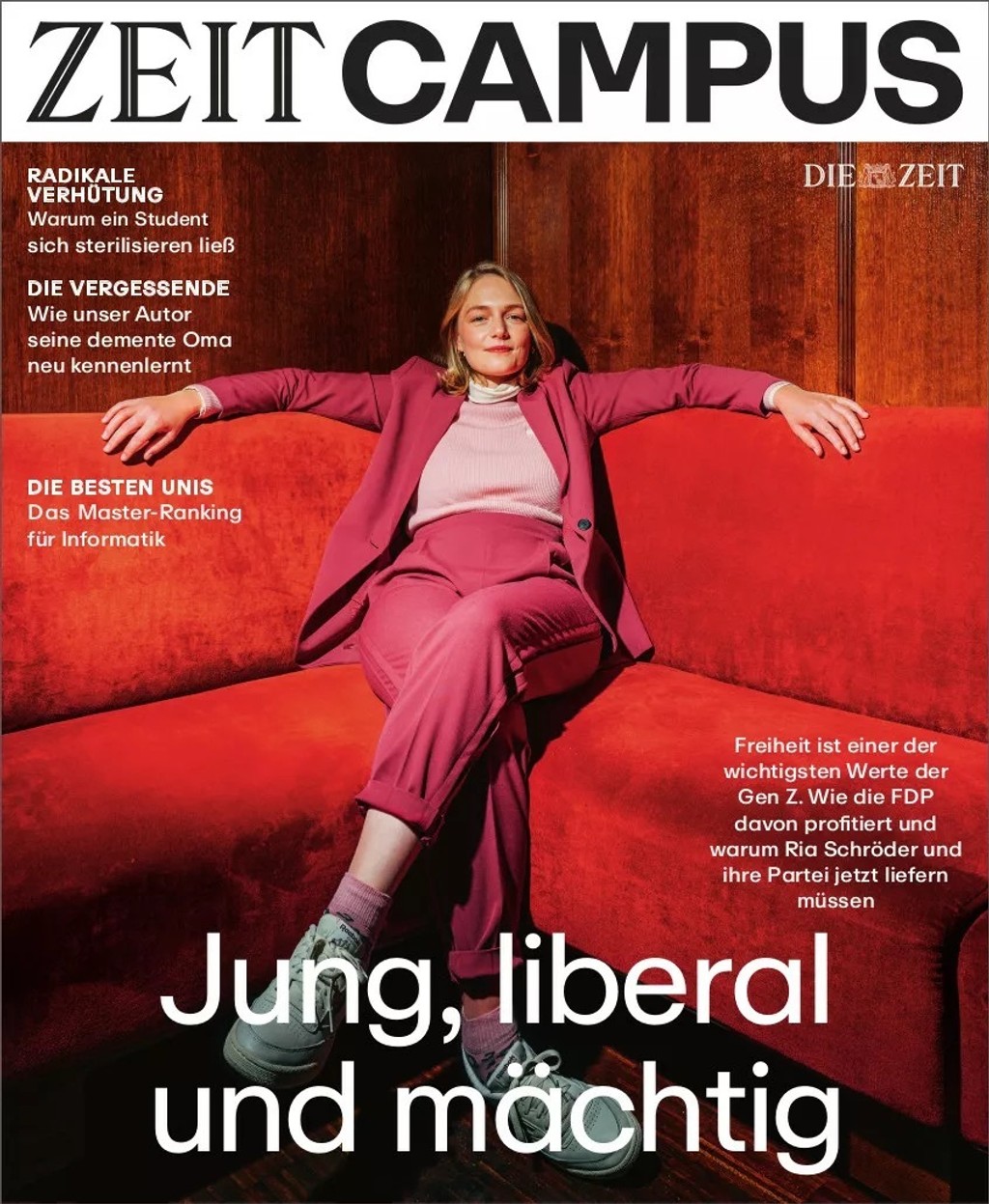
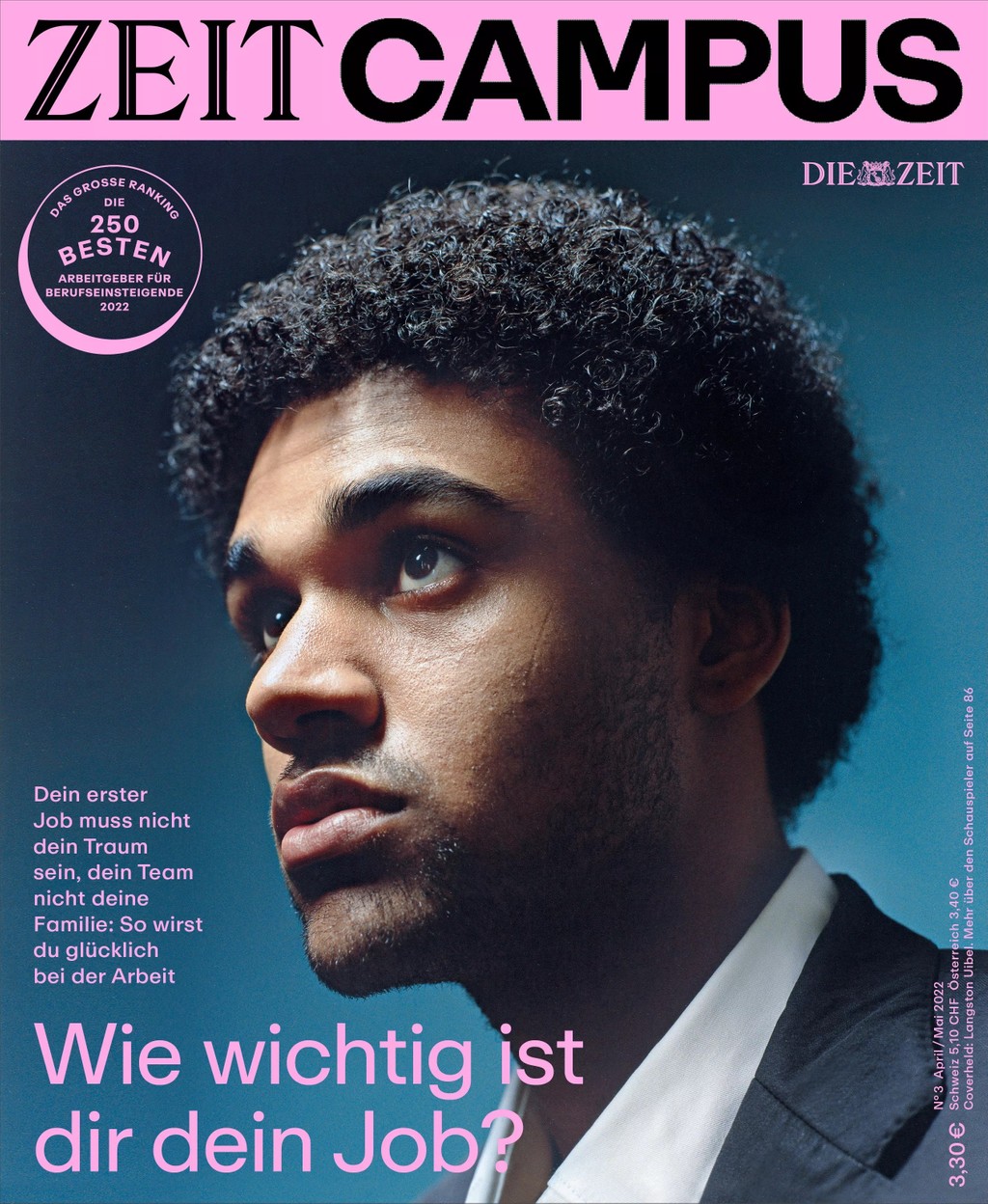
Zeit Campus. Design by Jan Lichte
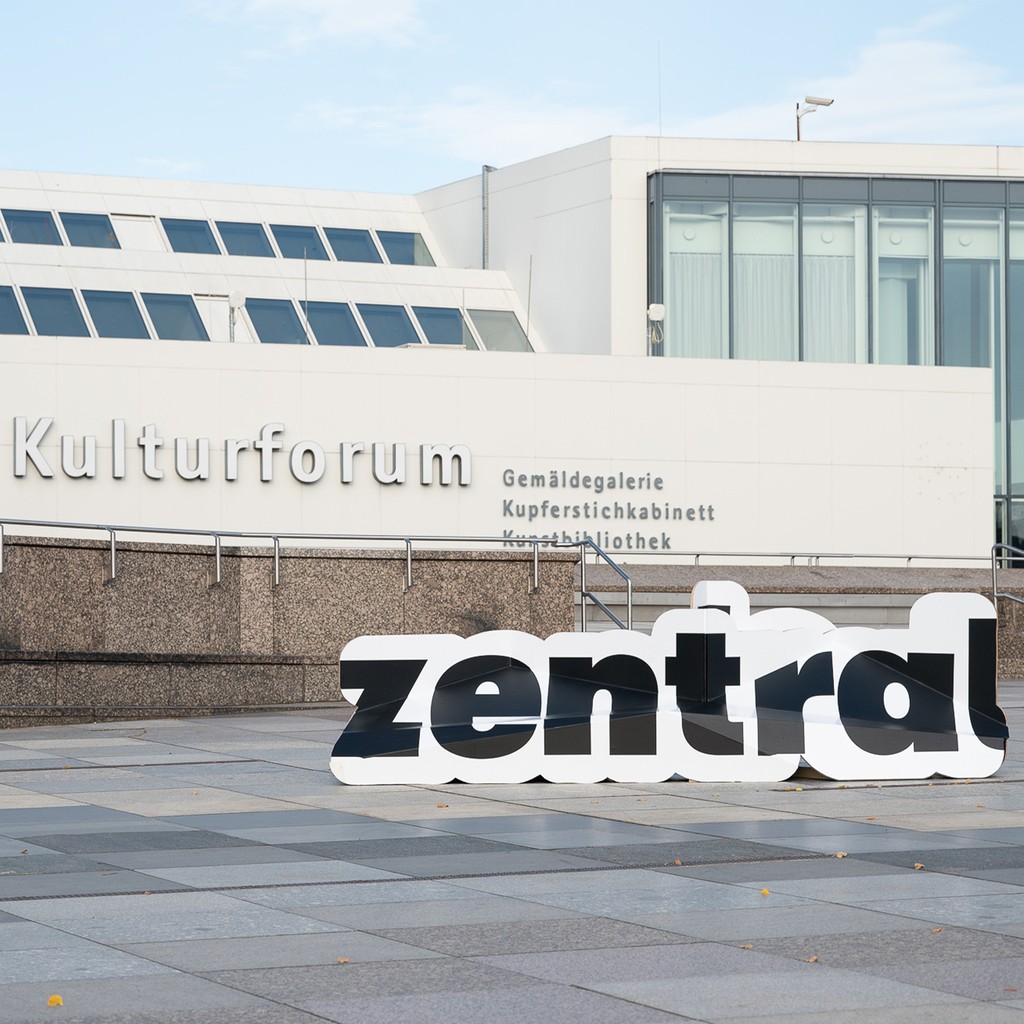
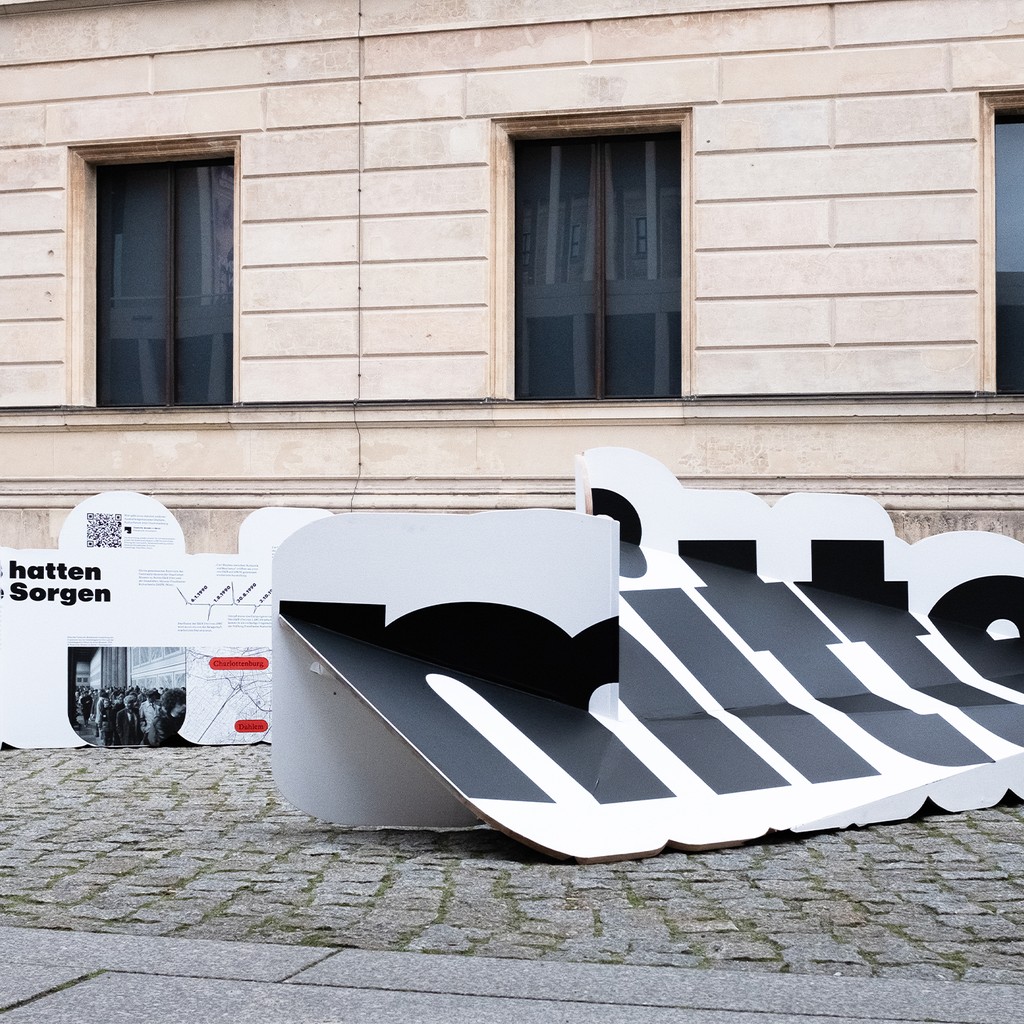
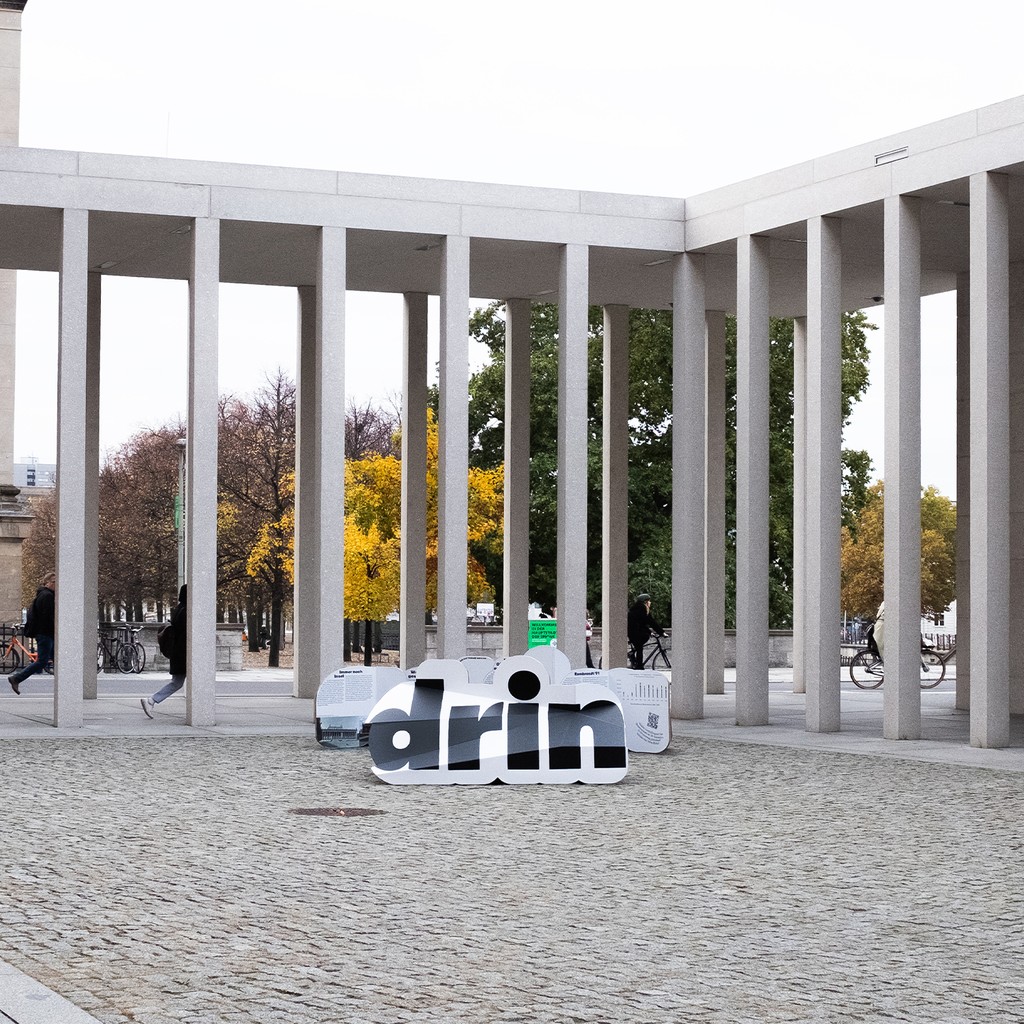
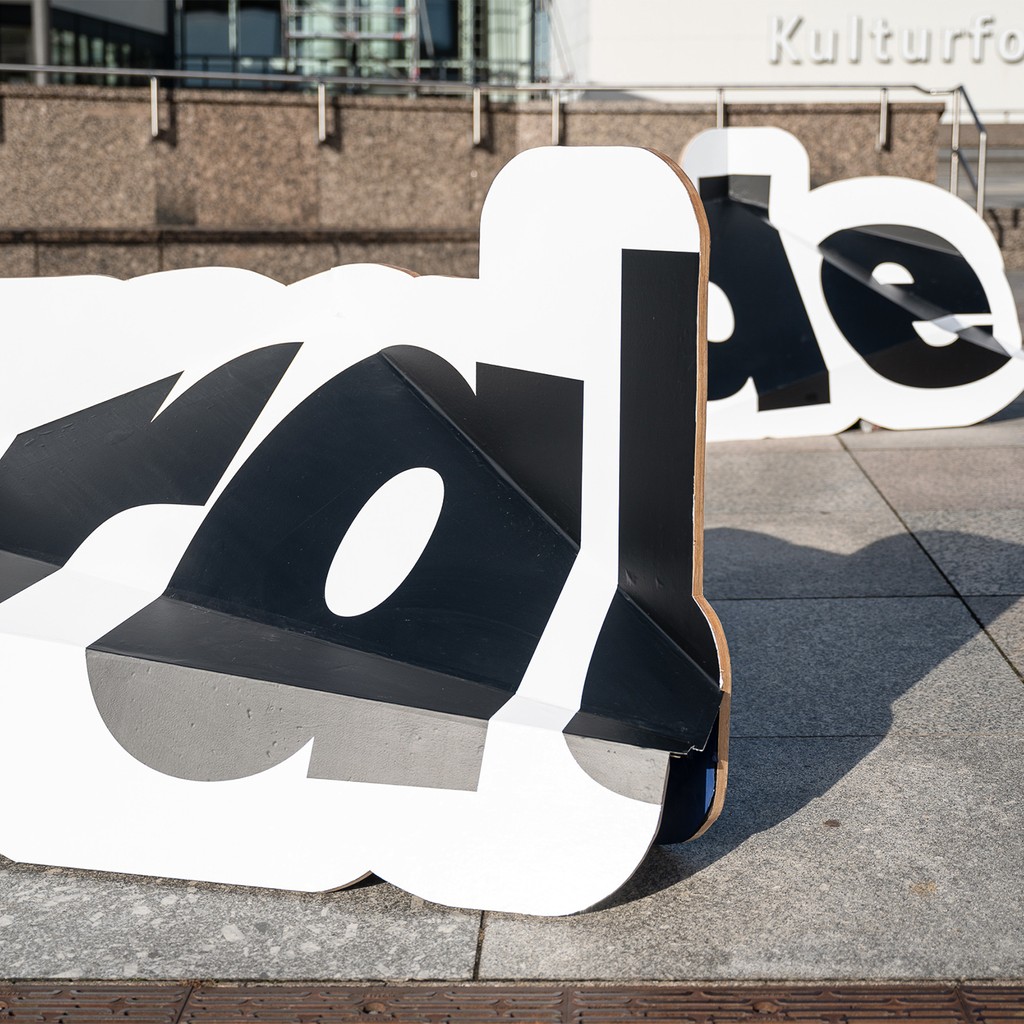
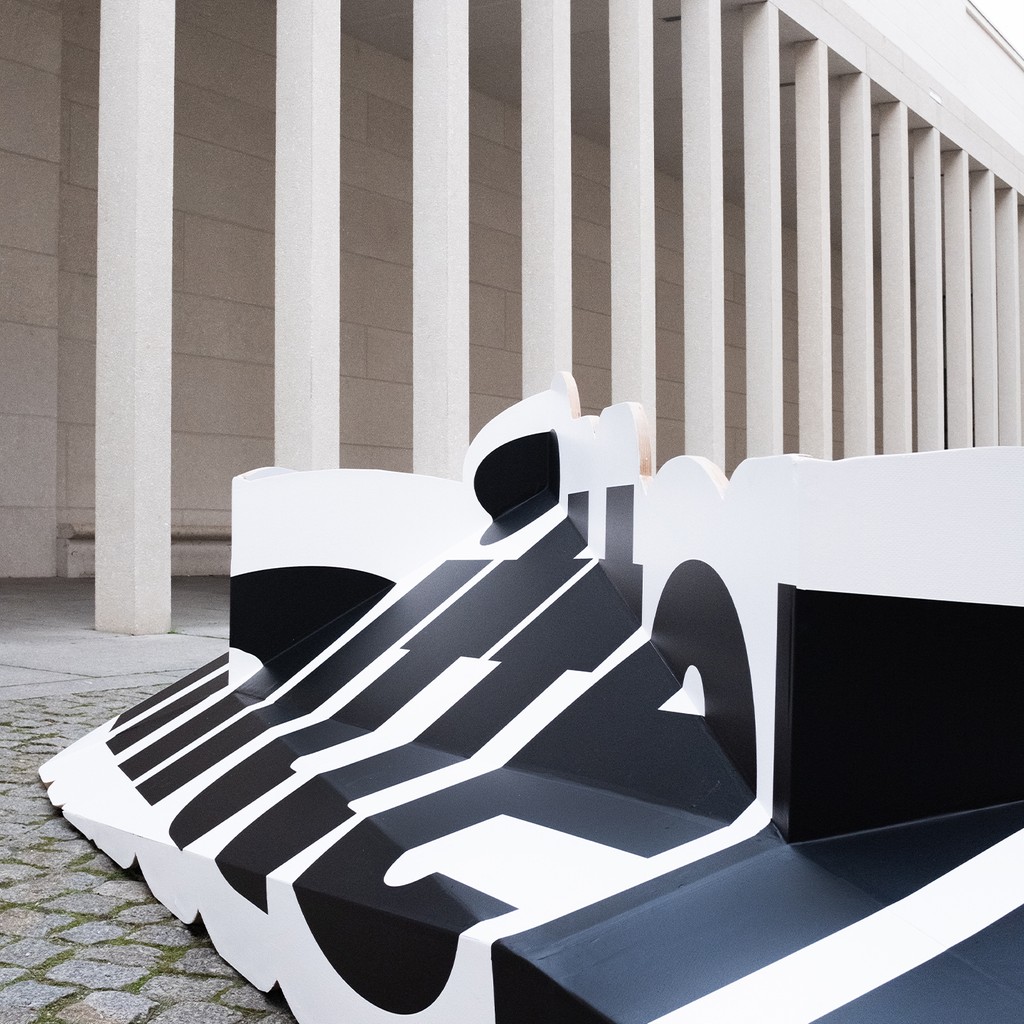
Reunited — Visting the Staatliche Museen zu Berlin. Design by TEAM MAO