Marist
Marist
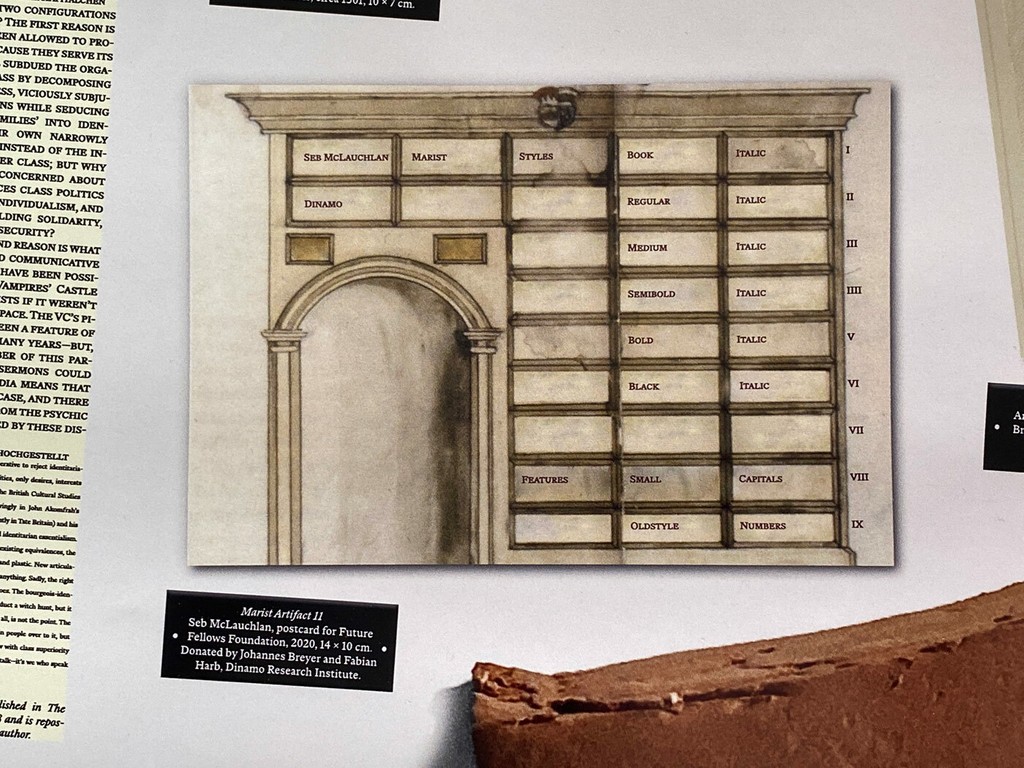
- Book & Italic
- Regular & Italic
- Medium & Italic
- Semibold & Italic
- Bold & Italic
- Black & Italic
Features
Small Caps
Golden
About Marist
About this typeface
Info
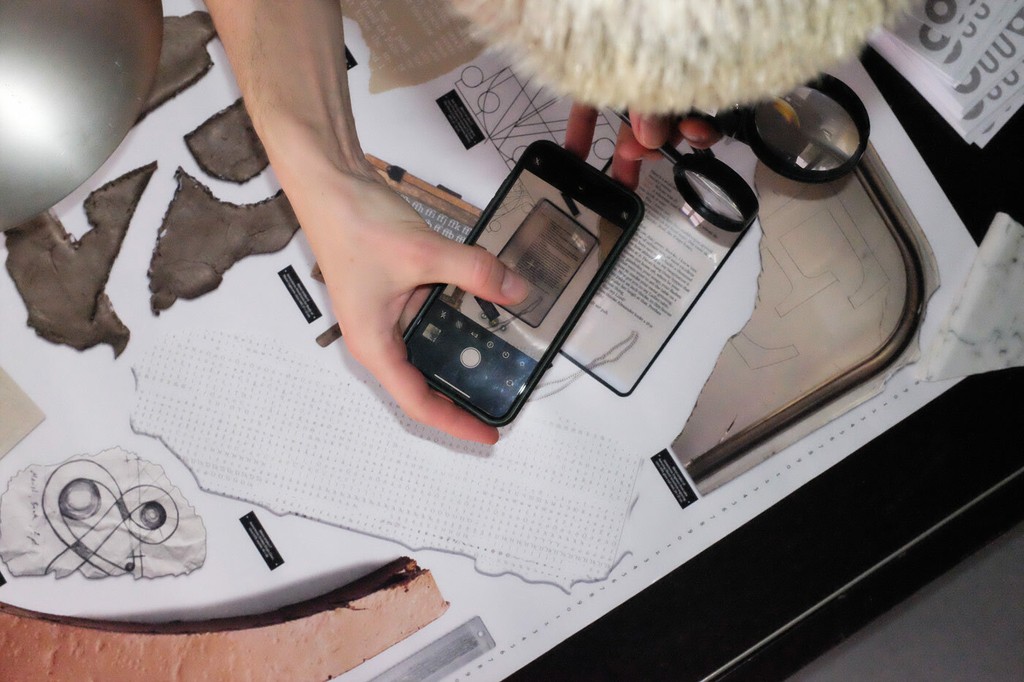
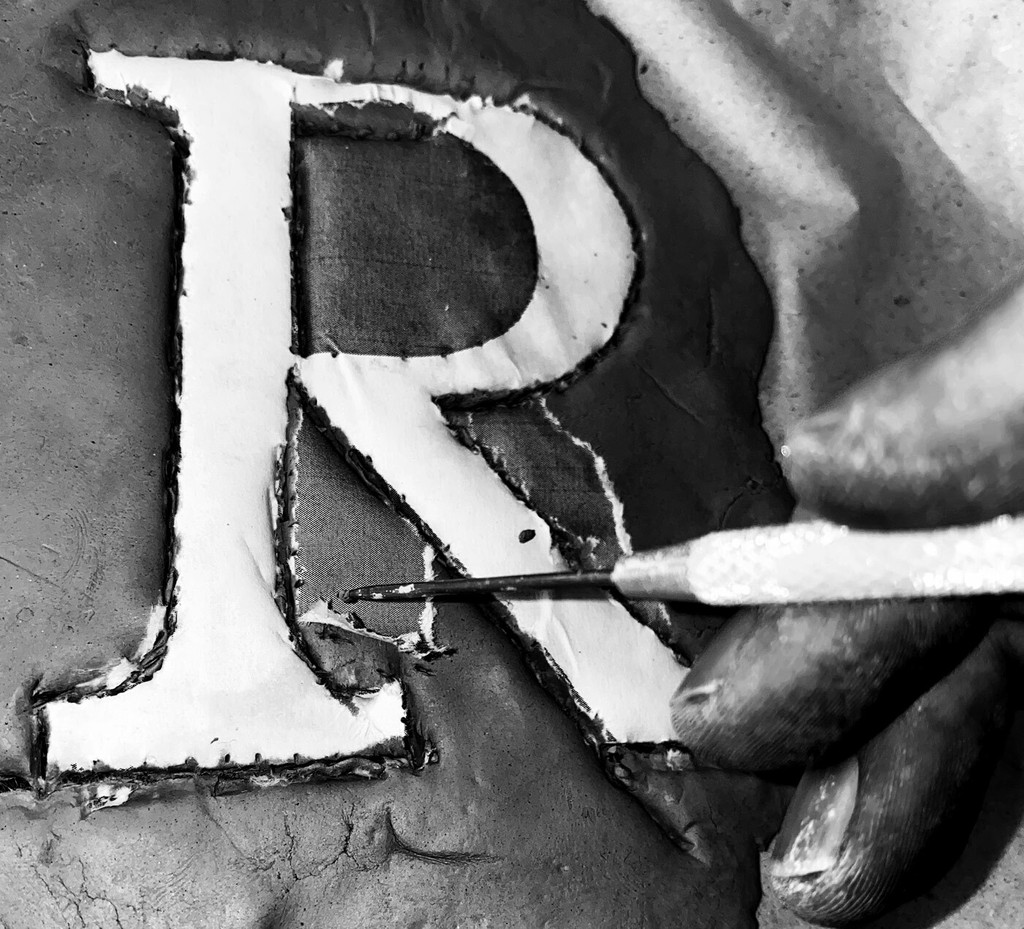
Marist is a warm, reader-friendly font with prominent serifs and wide uppercase proportions that take their time. Its forms are inspired by afternoons spent in archives investigating the long history of the overlooked Old Style, and more specifically, two prominent fonts within that genre: Jenson’s roman and Golden. When French engraver Nicolas Jenson first developed his roman in 15th Century Venice, the highly legible typeface become famous for out performing everything else. In 19th Century London, William Morris then reinterpreted Jenson’s roman for his Golden Type, a celebration of craft aesthetics from the past that questioned society’s reliance on technology. Marist picks up some of Morris and Jenson’s threads—fine tuning their forms for contemporary eyes and digital libraries.
Credits
Design: Seb McLauchlan
Spacing and Kerning: Igino Marini
Production: Dinamo (Robert Janes)
Supported Languages
Latin: Spanish, English, Portuguese, Swahili (individual language), German, Italian, Javanese, Malay (individual language), French, Turkish, Polish, Filipino, Indonesian, Standard Malay, Sundanese, Northern Uzbek, Romanian, West Central Oromo, Amahuaca, Malagasy, Dutch, Tagalog, Cebuano, Somali, Northern Kurdish, Haitian, Hungarian, Zulu, Nyanja, Shona, Czech, Quechua, Swedish, Kikuyu, Kinyarwanda, Hiligaynon, Iloko, Rundi, Kalenjin, Ganda, Xhosa, Central Kurdish, Afrikaans, Turkmen, Low German, Luba-Lulua, Kongo, Danish, Neapolitan, Croatian, Southern Sotho, Minangkabau, Wolof, Finnish, Kituba (Democratic Republic of Congo), Slovak, Swiss German, Pedi, Sicilian, Eastern Oromo, Norwegian, Luo (Kenya and Tanzania), Catalan, Bemba (Zambia), Buginese, Venetian, Borana-Arsi-Guji Oromo, Kamba (Kenya), Lombard, Banjar, Soga, Achinese, Gheg Albanian, Nyankole, Balinese, Jamaican Creole English, Yao, Lithuanian, Bosnian, Waray (Philippines), Slovenian, K'iche', Gusii, Kimbundu, Southern Qiandong Miao, Northern Qiandong Miao, Soninke, Meru, Afar, Pampanga, Hani, Tosk Albanian, Standard Latvian, Central Aymara, Southern Aymara, Batak Toba, North Ndebele, Chiga, Sena, Galician, Tumbuka, Scots, Acholi, Anaang, Makonde, Sardinian, Mandinka, Guadeloupean Creole French, Batak Simalungun, Batak Dairi, Batak Mandailing, South Ndebele, Standard Estonian, Ngazidja Comorian, Morisyen, Khasi, Upper Guinea Crioulo, Chokwe, Gourmanchéma, Kabuverdianu, Ndonga, Uab Meto, Kekchí, Occitan (post 1500), Yucateco, Bari, Basque, Picard, Piemontese, Welsh, Chavacano, Bena (Tanzania), Nobiin, Konzo, Walloon, Friulian, Crimean Tatar, Maltese, Samoan, Silesian, Batak Karo, Western Frisian, Sango, Tzeltal, Jola-Fonyi, Tzotzil, Ladino, Tetun Dili, Tetum, Luxembourgish, Papiamento, Tedim Chin, Fijian, Icelandic, Wayuu, Mandjak, Mapudungun, Kölsch, Macedo-Romanian, Kaonde, Montenegrin, Breton, Latgalian, Tonga (Tonga Islands), Amis, Huastec, Maore Comorian, Mískito, Irish, Gagauz, Sranan Tongo, Corsican, Tok Pisin, Gilbertese, Kashubian, Mwani, Arbëreshë Albanian, Saramaccan, Võro, Bikol, Mankanya, Sangu (Tanzania), Seselwa Creole French, Faroese, Andaandi, Tahitian, Orma, Chamorro, Kalaallisut, Scottish Gaelic, Chuukese, Maori, Mattokki, Romansh, Ladin, Central Nahuatl, Karelian, Asháninka, Naga Pidgin, Pohnpeian, Shipibo-Conibo, Northern Sami, Alekano, Pijin, Walser, Rarotongan, Acheron, Palauan, Mirandese, Upper Sorbian, Dehu, Aragonese, Bislama, Chachi, Pichis Ashéninka, Ashéninka Perené, Yanesha', Ixcatlán Mazatec, Kven Finnish, Niuean, Lower Sorbian, Hopi, Nomatsiguenga, Eastern Arrernte, Creek, Rotokas, Mohawk, Tokelau, Algonquin, Cofán, Warlpiri, Matsés, Murrinh-Patha, Chiltepec Chinantec, Veps, Amarakaeri, Interlingua (International Auxiliary Language Association), Oroqen, Cashibo-Cacataibo, Candoshi-Shapra, Esperanto, Kala Lagaw Ya, Seri, Lule Sami, Southern Sami, Caquinte, Inari Sami, Cimbrian, Istro Romanian, Anuta, Meriam Mir, Shawnee, Ido, Aleut, Pintupi-Luritja, Gooniyandi, Ume Sami, Wiradjuri, Volapük, Western Abnaki, Záparo, Munsee, Lojban, Interlingue, Potawatomi, Minang, Manx, Interglossa, Latin, Klingon, Cornish, Novial and Eastern Abnaki
Character Overview
Marist In Use
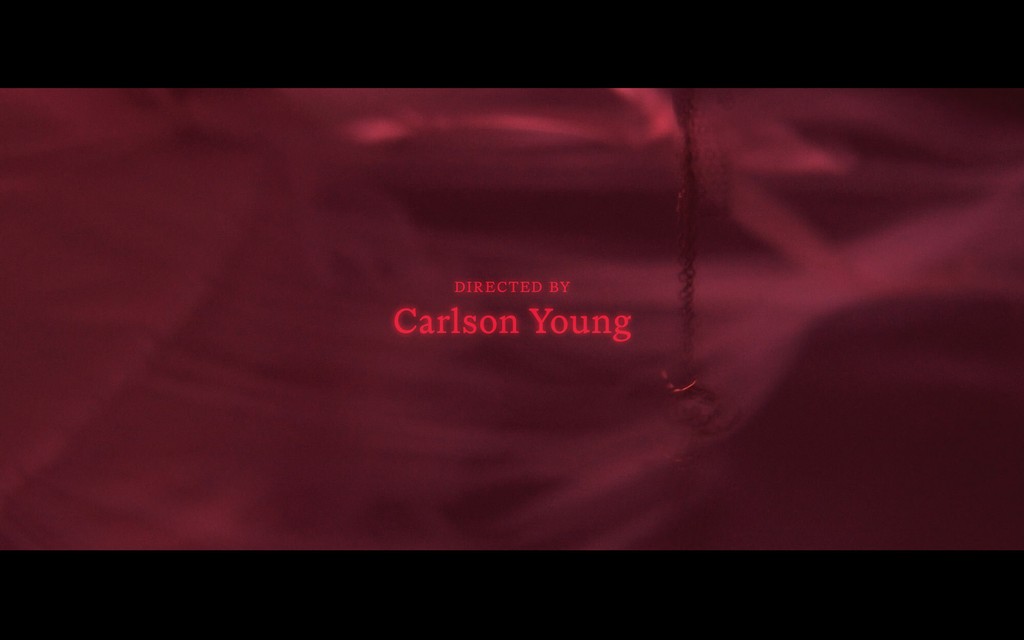
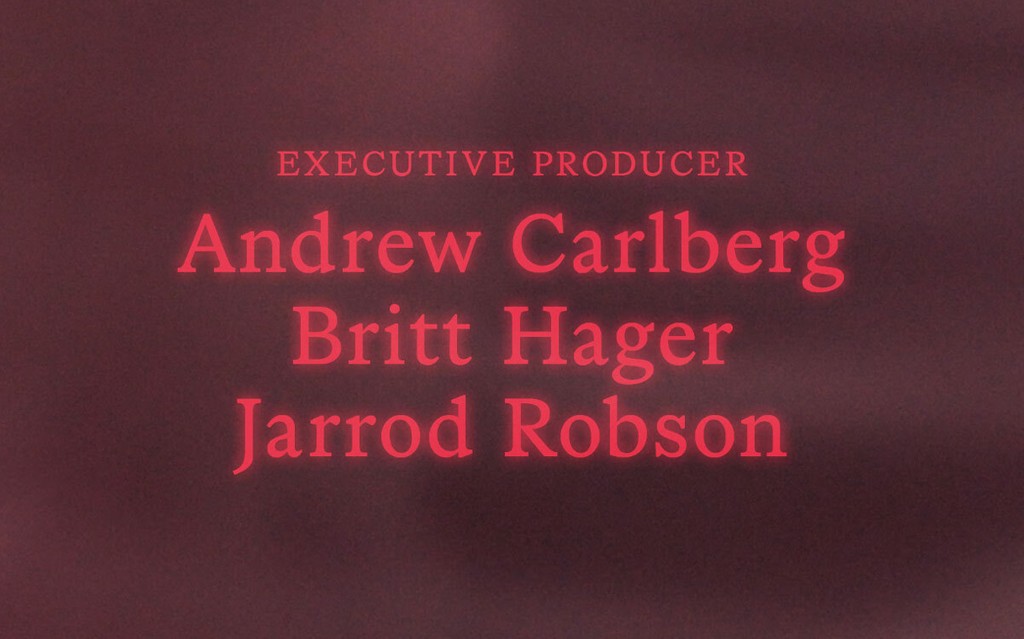
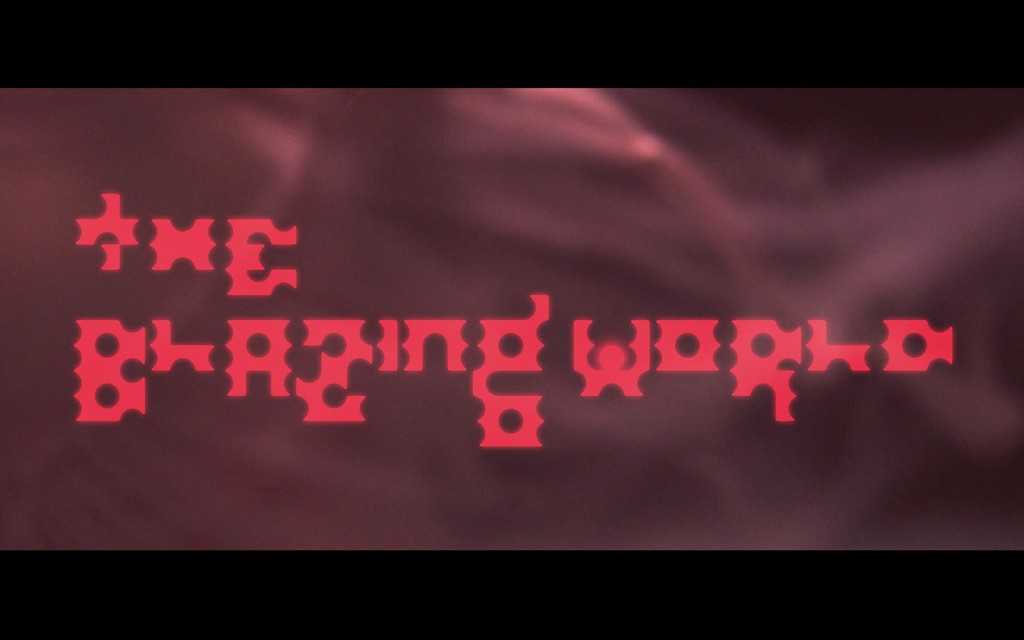
Tiles “A Blazing World”. Design by Taylor Giali. Film by Carlson Young
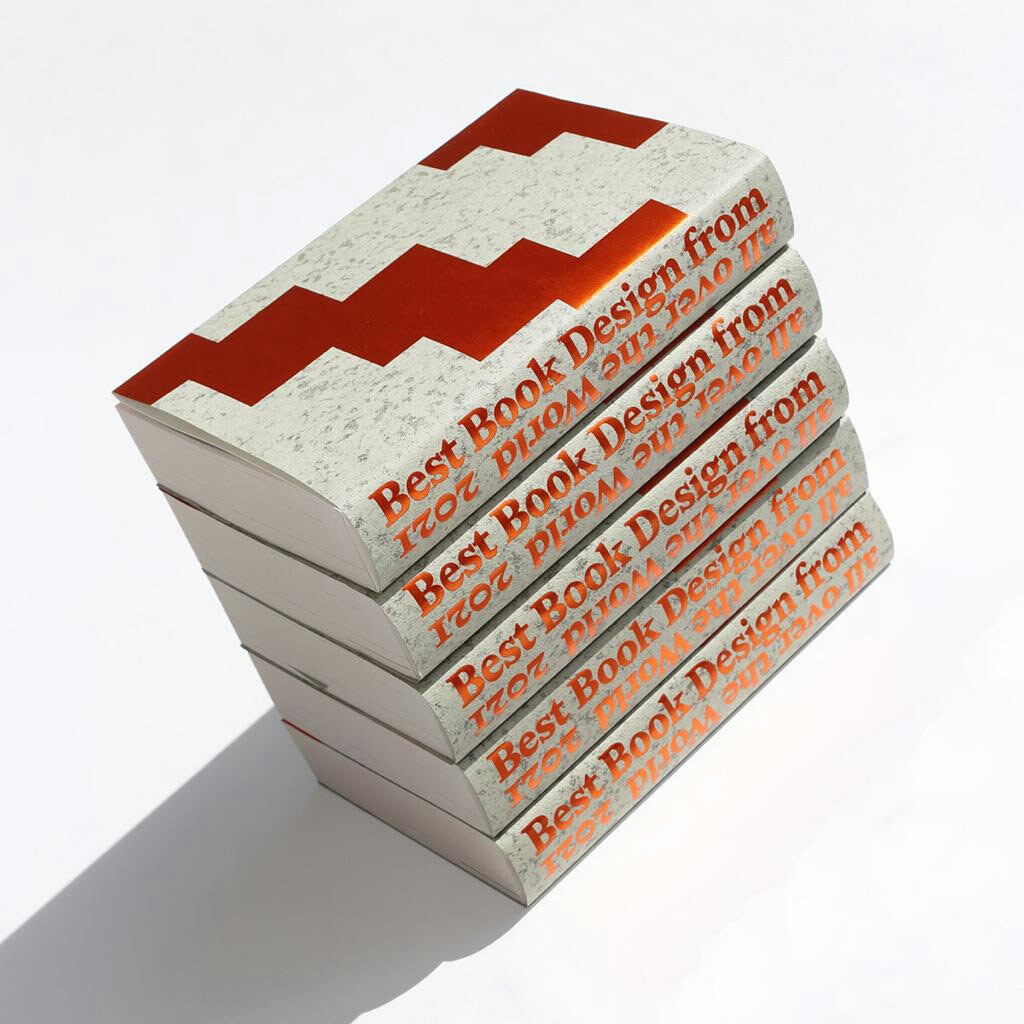

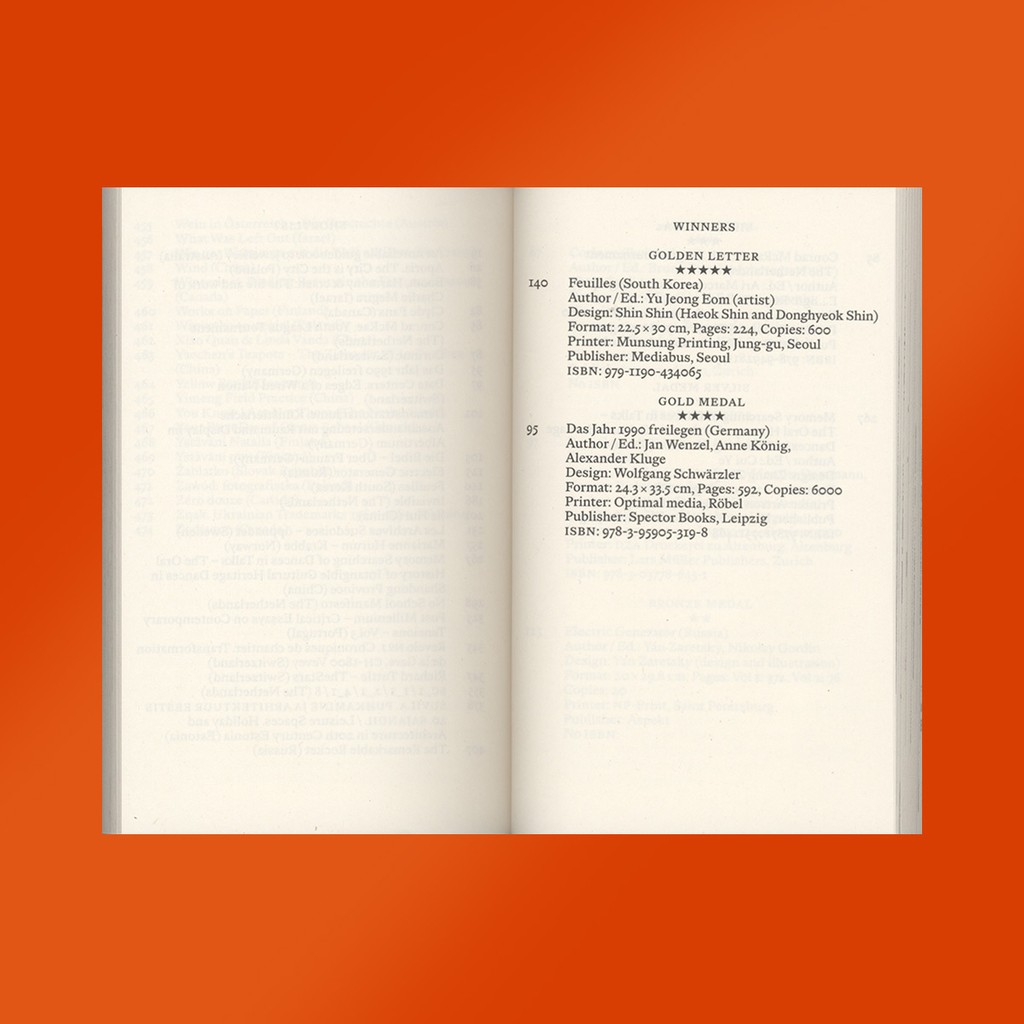
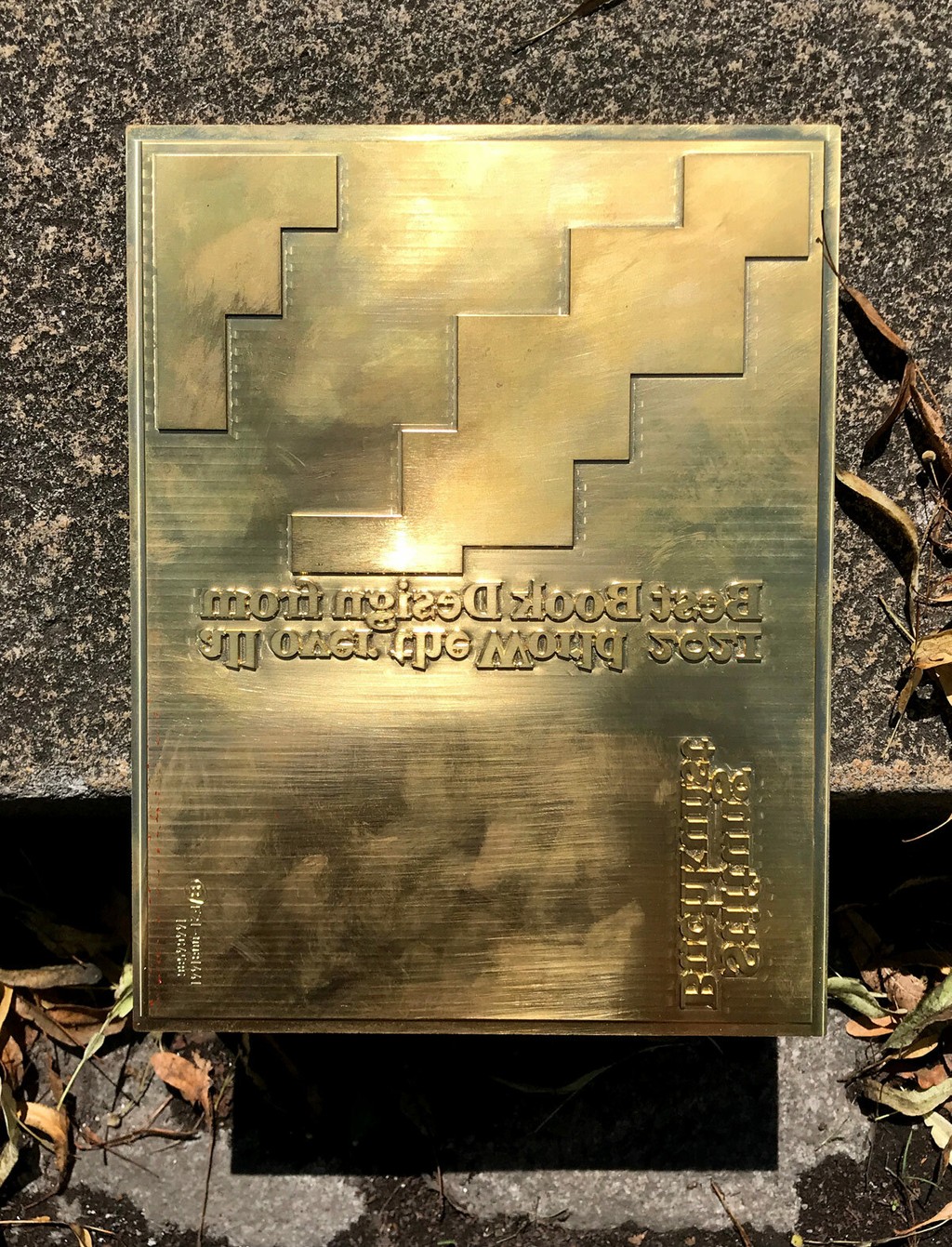
Best Book Design from all over the world. Design by Dan Solbach & Johannes Bissinger
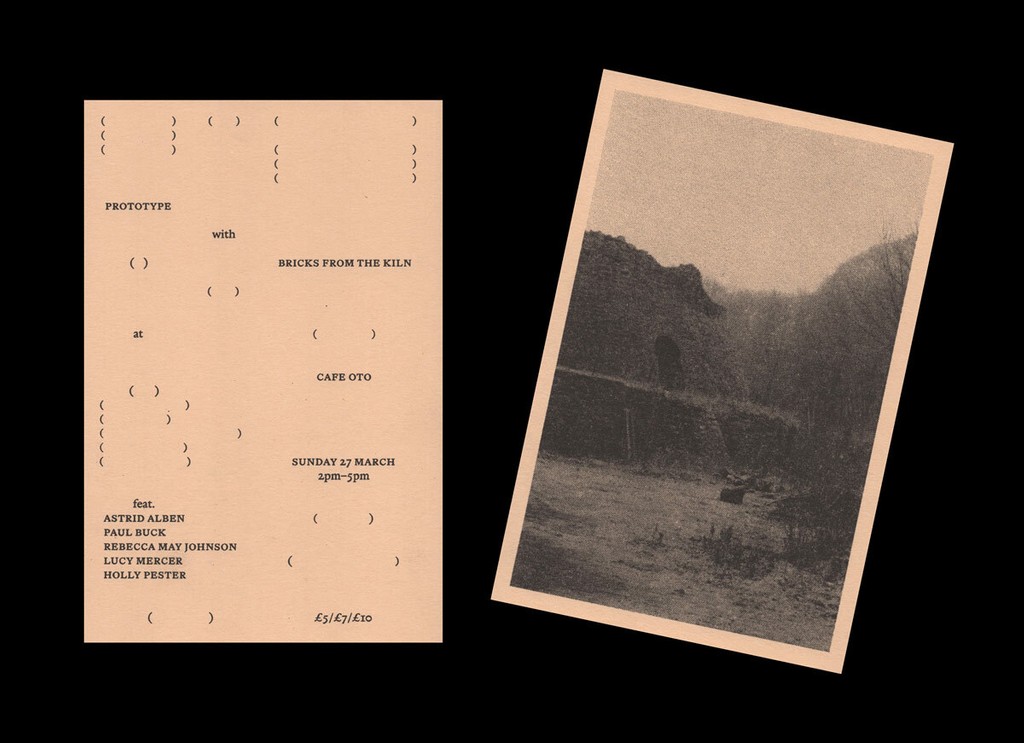
Bricks from the Kiln. Edited by Andrew Walsh-Lister & Matthew Stuart